Scooter Manual: A Comprehensive Guide
Welcome! This detailed manual empowers you to confidently operate and maintain your mobility scooter, ensuring a safe and enjoyable experience․
Congratulations on acquiring your new mobility scooter! This section serves as your initial guide, designed to familiarize you with its core functionalities and intended use․ We understand the importance of independence and mobility, and this scooter is engineered to enhance your lifestyle․
Before your first ride, carefully review this manual to understand all operating features, safety precautions, and maintenance requirements․ Proper understanding will maximize your enjoyment and ensure the longevity of your scooter․ This guide specifically addresses the Ew-36 and Shoprider models, offering detailed instructions for setup, operation, and troubleshooting․
We are committed to providing you with a reliable and safe product․ Navigate with confidence, knowing this manual is your resource for a seamless experience․
Understanding Scooter Components
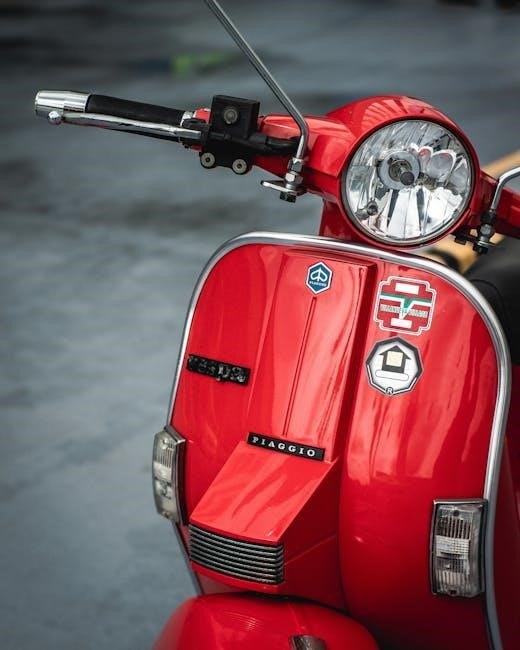
Familiarizing yourself with the various parts of your scooter is crucial for safe operation and effective maintenance․ This section provides a detailed overview of the key components, explaining their functions and how they contribute to the overall performance․
We’ll cover the essential elements, including the frame and chassis – the structural foundation providing stability․ Next, we’ll explore the wheels and tires, vital for smooth and reliable movement․ A core focus will be on the battery and motor, the power source driving your scooter’s functionality․ Understanding these interconnected systems will empower you to identify potential issues and perform basic upkeep․
Regularly inspecting these components, as outlined in the pre-ride checklist, will ensure optimal performance and a prolonged scooter lifespan․
Frame and Chassis
The frame and chassis represent the scooter’s foundational structure, providing essential stability and support for all other components․ Typically constructed from durable steel or lightweight aluminum alloys, the frame is engineered to withstand regular use and varying terrains․

Its design directly impacts the scooter’s maneuverability and overall handling․ Inspect the frame regularly for any signs of cracks, bends, or corrosion, as these could compromise its structural integrity․ Pay close attention to weld points and areas subject to stress;
A well-maintained frame ensures a safe and comfortable riding experience․ Proper care extends the scooter’s lifespan and prevents potential hazards․
Wheels and Tires
The wheels and tires are crucial for smooth and stable scooter operation, directly influencing ride comfort and traction․ Scooter tires are typically solid or pneumatic (air-filled)․ Solid tires require no inflation but offer a firmer ride, while pneumatic tires provide better shock absorption․
Regularly inspect tires for wear and tear, checking for cuts, bulges, or uneven tread wear․ Maintain proper tire pressure (for pneumatic tires) as indicated on the tire sidewall․ Underinflated tires reduce range and handling, while overinflated tires can lead to a harsh ride․
Ensure wheel bearings are properly lubricated and free from play for optimal performance and longevity․
Battery and Motor
The battery and motor are the heart of your scooter, providing the power for movement․ Most scooters utilize sealed lead-acid or lithium-ion batteries․ Understanding your battery type is crucial for proper charging and maintenance․
The motor converts electrical energy from the battery into mechanical energy, propelling the scooter․ Regular checks ensure optimal performance․ Avoid overloading the scooter, as this strains both the battery and motor, reducing their lifespan․
Proper battery care, including following charging guidelines, significantly extends battery life․ Listen for unusual noises from the motor, indicating potential issues requiring attention․
Safety Precautions
Prioritizing safety is paramount when operating your scooter․ Always conduct a thorough pre-ride inspection, checking brakes, tires, and battery levels․ Be aware of your surroundings, and avoid navigating in heavy traffic or hazardous conditions․
Never exceed the scooter’s weight capacity, as this compromises stability and control․ Use appropriate signaling when turning or changing direction․ Familiarize yourself with local traffic laws and regulations regarding scooter usage․
Remember: Safety first! Wear visible clothing, especially at night, and avoid distractions while riding․ A responsible approach ensures a safe and enjoyable experience for yourself and others․
Pre-Ride Inspection Checklist

Before each ride, meticulously follow this checklist for optimal safety; First, verify the battery charge indicator shows sufficient power․ Next, inspect tire pressure – ensure they are properly inflated for a smooth ride and stable handling․
Thoroughly test the brakes, confirming responsive stopping power․ Check all lights (headlights, taillights, turn signals) are functioning correctly for visibility․ Examine the steering mechanism, ensuring smooth and precise control․ Finally, confirm the seat is securely locked in position․
Addressing these points proactively minimizes risks and guarantees a secure and enjoyable scooter experience․ A quick check saves potential trouble!
Safe Operating Practices
Prioritize safety during every scooter journey․ Always adhere to local traffic laws and regulations, treating your scooter as a vehicle․ Maintain a safe speed, adjusting to conditions like weather and pedestrian traffic․ Be exceptionally cautious on inclines and declines, utilizing reduced speed․
Avoid sudden maneuvers, braking sharply, or making abrupt turns․ Be aware of your surroundings, constantly scanning for obstacles, pedestrians, and vehicles․ Never operate the scooter under the influence of alcohol or drugs․ Ensure you are visible – wear bright clothing and utilize lights․
Respect pedestrian right-of-way and yield appropriately․ Safe operation ensures both your well-being and the safety of others․
Operating Your Scooter
Familiarize yourself with all controls before your first ride․ Begin by ensuring the scooter is on a level surface․ Locate the power button – typically found on the control panel – and press to activate the system․ The display will illuminate, indicating readiness․
Steering is achieved through the handlebars, similar to a bicycle․ Gently rotate to navigate․ The throttle controls speed; a lighter touch equates to slower speeds, while increased pressure accelerates․ Braking is managed via hand levers, applying even pressure for controlled stops․
Practice in a safe, open area to gain confidence with the controls before venturing into public spaces․
Powering On and Off
To power on your scooter, first ensure the key is inserted and turned to the ‘on’ position, if applicable․ Locate the main power button, usually prominently displayed on the control panel․ A single press will activate the scooter’s electrical system, and the display panel should illuminate, confirming it’s ready for use․
When finished riding, or before performing any maintenance, always power off the scooter correctly․ Press and hold the power button until the display shuts off completely․ Remove the key to prevent accidental activation․
Never disconnect the battery while the scooter is powered on, as this could damage the electronic components․
Steering and Controls
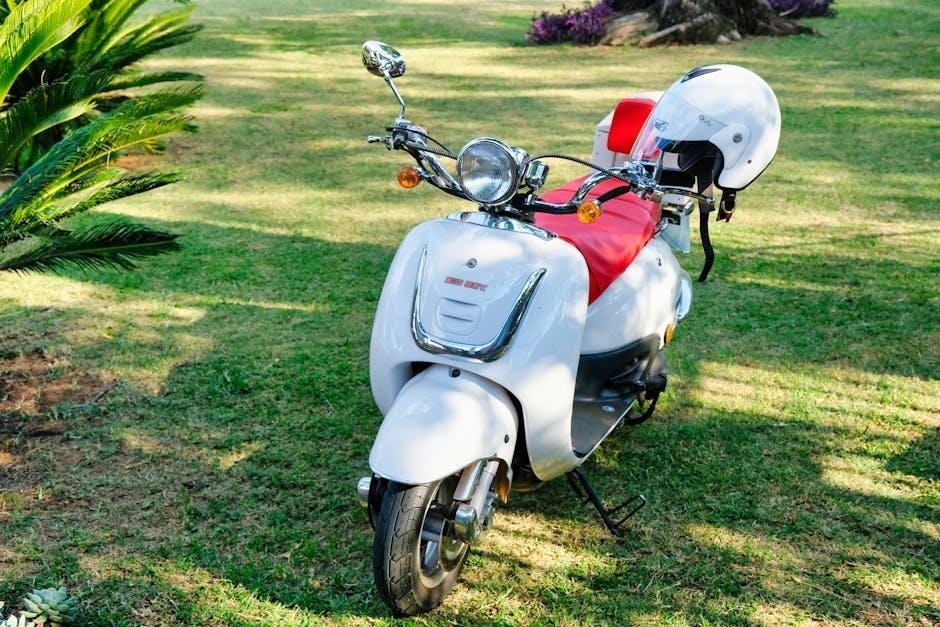
Steering is achieved through the tiller, which is the handlebar section of your scooter․ Gently push or pull the tiller in the desired direction to navigate․ Avoid sudden or jerky movements for a smoother, more controlled ride․ Familiarize yourself with the responsiveness of the steering․
The control panel houses essential functions․ The throttle controls speed, typically a twist-grip or lever․ The brake levers, usually located on the handlebars, provide stopping power․ Understand the sensitivity of both controls before operation․

Additional controls may include a horn, lights, and directional signals – learn their locations and functions․
Speed Control and Braking
Speed is regulated via the throttle, usually a twist-grip or lever on the handlebar․ Gradual adjustments are key; avoid abrupt acceleration․ Be mindful of your surroundings and adjust speed accordingly, especially in crowded areas or on uneven terrain․
Braking is crucial for safety․ Your scooter likely features hand-operated brake levers․ Apply both brakes simultaneously for optimal stopping power and stability․ Practice gentle braking initially to understand the scooter’s response․

Emergency braking requires firm, even pressure on both levers․ Remember that braking distance increases with speed and on wet surfaces․
Charging the Battery
Maintaining optimal battery health is vital for scooter performance and longevity․ Always use the charger specifically designed for your scooter model․ Before charging, ensure the scooter is turned off and the charging port is clean and dry․
Connect the charger to a standard wall outlet and then to the scooter’s charging port․ The charger’s indicator light will typically show a charging status – red for charging, green for fully charged․ Avoid overcharging, as it can damage the battery․
Regular charging, even when the scooter isn’t in use, helps maintain battery capacity․
Charging Procedures
Begin by locating the charging port on your scooter, typically near the battery compartment․ Ensure the scooter is switched off before connecting the charger․ Plug the charger’s DC connector firmly into the scooter’s charging port, and then plug the AC adapter into a standard wall outlet․
Observe the charger’s indicator light․ A red light usually signifies charging is in progress․ Once the battery is fully charged, the light will typically turn green․ Charging times vary depending on the battery’s state of discharge, but generally take several hours․
Disconnect the charger once fully charged to prevent overcharging and potential battery damage․
Battery Maintenance
To maximize battery life, avoid fully discharging the battery before recharging․ Frequent, shallow charges are preferable to infrequent, deep discharges․ Store the scooter in a cool, dry place, away from extreme temperatures, as heat and cold can negatively impact battery performance․
Periodically inspect the battery terminals for corrosion․ If corrosion is present, carefully clean it with a mixture of baking soda and water, ensuring the scooter is switched off․ Avoid using abrasive cleaners․
If the scooter will be stored for an extended period, charge the battery fully before storage and then recharge it every few months to prevent it from self-discharging;
Maintenance and Repair
Regular maintenance is crucial for ensuring the longevity and safe operation of your scooter․ This section details a schedule for routine checks and provides guidance on addressing common issues․ Prioritize preventative care to minimize potential repairs and maintain peak performance․
Inspections should include tire pressure, brake functionality, steering alignment, and battery condition․ Lubricate moving parts as needed, and tighten any loose bolts or fasteners․ Addressing minor issues promptly can prevent them from escalating into more significant problems․
For more complex repairs or if you are uncomfortable performing maintenance yourself, consult a qualified technician․
Regular Maintenance Schedule
Monthly: Inspect tire pressure and inflate to the recommended PSI․ Check brake lever function and cable tension, adjusting as needed․ Visually examine the frame for any signs of damage or corrosion․ Clean the scooter’s exterior with a mild detergent and water․
Every Three Months: Lubricate wheel bearings, steering components, and the motor’s moving parts․ Inspect all electrical connections for corrosion or looseness․ Check the battery terminals for cleanliness and secure connections․
Annually: Have a qualified technician perform a comprehensive inspection, including the battery’s health and overall scooter functionality․ Replace worn tires and brake pads as necessary․
Troubleshooting Common Issues
Scooter won’t power on: Check the battery charge level and ensure the key is fully inserted․ Inspect the power cord and charging port for damage․ Reduced range: Battery may need replacing, or riding conditions (hills, weight) are exceeding capacity․
Brakes not functioning: Inspect brake cables for fraying or looseness; adjust or replace as needed․ Tire puncture: Replace the inner tube or tire․ Error codes: Consult the scooter’s display panel or a qualified technician for interpretation․
Unusual noises: Investigate the source – could be loose parts or motor issues․ If problems persist, contact customer support․
Disassembly and Assembly
Disassembly is sometimes necessary for transport or specific repairs․ Always disconnect the battery before any disassembly․ Carefully remove the seat, then detach side panels and other components, noting the order and fastener locations․ Refer to detailed diagrams in the appendix for guidance․
Assembly follows the reverse process․ Ensure all connections are secure and properly aligned․ Double-check all fasteners are tightened to the manufacturer’s specifications․ Prioritize safety – incorrect assembly can compromise scooter functionality and stability;
Caution: If you are uncomfortable with disassembly/assembly, seek assistance from a qualified technician to avoid damage or injury․
Transporting Your Scooter
Preparation is key when transporting your scooter․ First, disconnect the battery to prevent accidental activation․ If possible, disassemble the scooter into smaller, manageable components – seat, frame, and wheels – following the disassembly instructions․ Securely package each part to prevent damage during transit․
Vehicle Transport: When using a vehicle, ensure the scooter is properly secured with straps or a ramp․ Distribute the weight evenly and avoid placing it near sharp edges․ Airline Travel: Check with your airline regarding specific regulations for transporting mobility scooters, including battery type and packaging requirements․
Always prioritize safety and securement during transport․
Storing Your Scooter
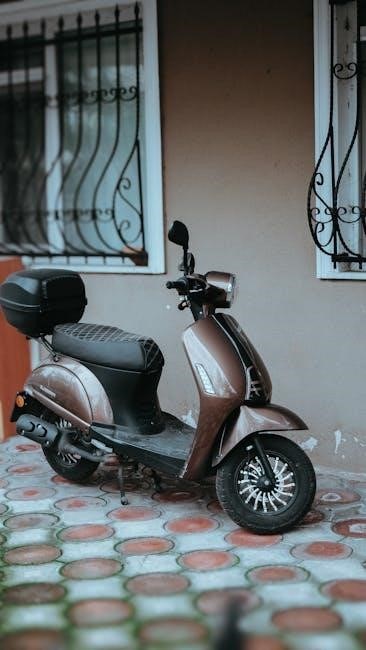
Proper storage extends your scooter’s lifespan․ Before long-term storage, fully charge and then discharge the battery to about 50% capacity․ Disconnect the battery and store it in a cool, dry place, away from extreme temperatures․ Cover the scooter with a breathable cloth to protect it from dust and moisture․
Location Matters: Store the scooter indoors, ideally in a climate-controlled environment․ Avoid direct sunlight and damp areas․ Regularly check the tires for pressure and the battery for corrosion․ Periodic Checks: Every few months, briefly recharge the battery to maintain its health․
Securely position the scooter to prevent accidental movement or damage․
Warranty Information
Your scooter is covered by a limited warranty against defects in materials and workmanship․ This warranty begins on the original purchase date and lasts for a specified period, varying by component – typically one year for the entire scooter, and three years for the frame․
Warranty Exclusions: Normal wear and tear, misuse, accidents, modifications, and unauthorized repairs are not covered․ Battery warranties are often shorter, reflecting their consumable nature․ To make a claim, retain your proof of purchase and contact our customer support team․

Registration: Registering your scooter online within a specified timeframe may be required to activate the full warranty benefits․ See our website for details․
Contact Information & Support
For assistance with your scooter, our dedicated support team is readily available․ You can reach us via phone at 1-800-SCOOTER (1-800-726-6837) during business hours, Monday to Friday, 9 AM to 5 PM EST․ Alternatively, email us at support@mobilityscooters․com for prompt responses to your inquiries․
Online Resources: Visit our comprehensive website, www․mobilityscooters․com, for FAQs, troubleshooting guides, downloadable manuals, and replacement parts ordering․ We also maintain an active online community forum where users can share tips and solutions․
Social Media: Connect with us on Facebook and Twitter @MobilityScooters for updates and support․