Yule, a time of reflection and renewal, marks the Winter Solstice, the longest night․ This ancient festival, now a 12-day celebration, blends folklore, rituals, and family traditions, offering a guide to meaningful observance․
What is Yule?
Yule, an ancient winter festival, marks the longest night of the year and the rebirth of the sun․ It is celebrated over 12 days, blending folklore, rituals, and modern traditions․ Rooted in pre-Christian customs, Yule honors nature’s cycle, renewal, and the return of light․ Historically, it was a time for feasting, bonfires, and divination, symbolizing hope and resilience․ Today, Yule is embraced by various cultures and spiritual paths, adapting old practices to contemporary life․ It emphasizes family, community, and reflection, offering a meaningful way to connect with the past while celebrating the present․ This festival is a testament to the enduring human spirit, bridging ancient traditions with modern celebrations․
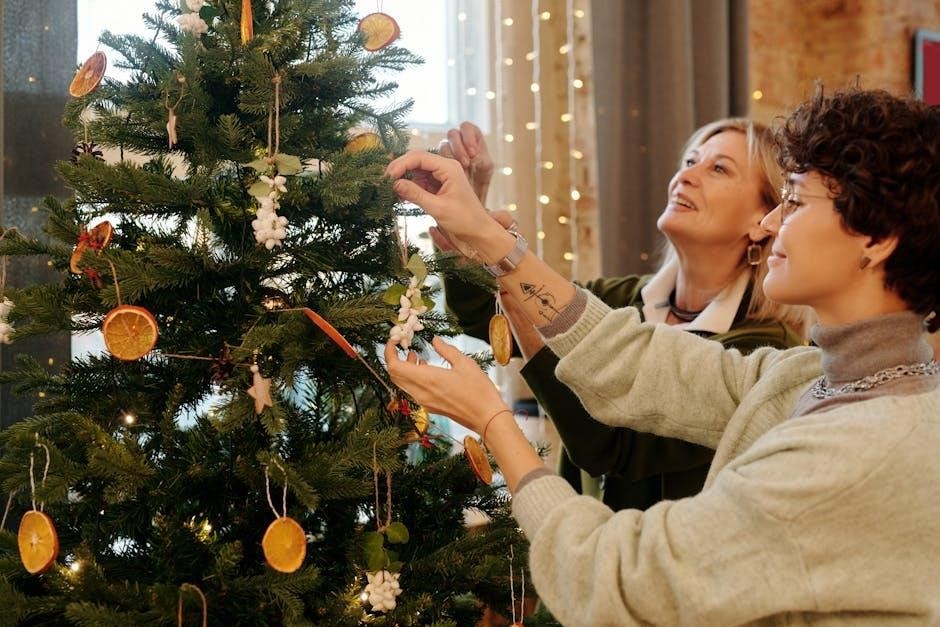
Historical Significance of Yule
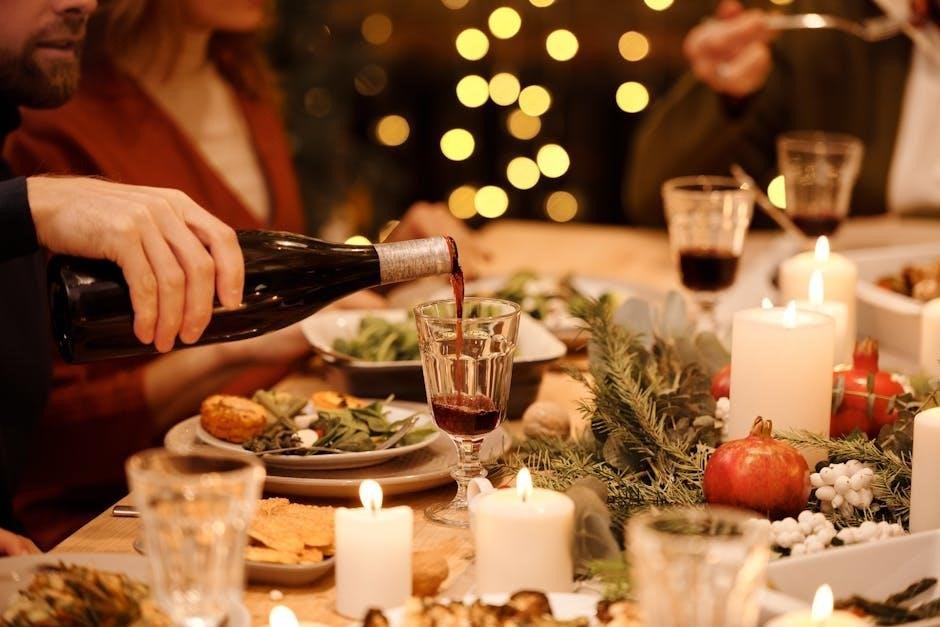
Yule, rooted in ancient pre-Christian traditions, holds deep historical significance as a festival celebrating the Winter Solstice․ It symbolizes the rebirth of the sun and the return of longer days, embodying hope and renewal․ Originating in Northern Europe, Yule was a time for communal feasting, bonfires, and rituals to ensure fertility and prosperity․ The festival was closely tied to the natural cycle, reflecting the agricultural and spiritual practices of early societies․ Over time, Yule’s customs influenced later celebrations, blending with Christian traditions․ Its historical importance lies in its role as a unifying event, fostering resilience and joy during the harshest season․ Yule’s enduring legacy is seen in its adaptation across cultures, preserving ancient rituals while evolving to resonate with modern spirituality and community values․
Modern Celebrations of Yule
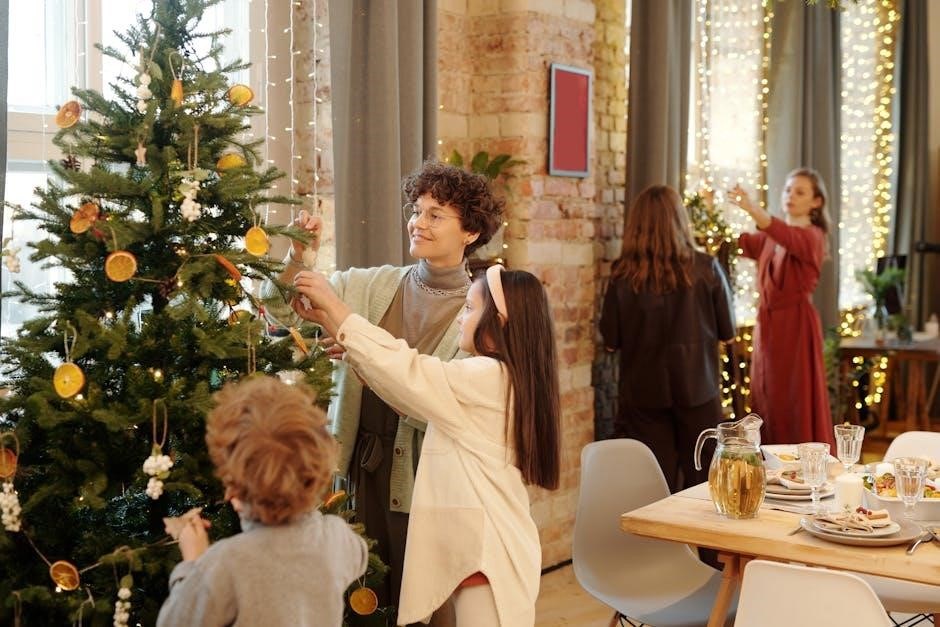
Modern Yule celebrations blend ancient traditions with contemporary practices, creating a meaningful and inclusive festival․ Many observe the 12 days of Yule, each holding unique rituals and activities․ Families and communities come together to honor the season with feasting, crafting, and reflection․ Rituals such as lighting Yule logs, decorating evergreen trees, and exchanging gifts remain popular, symbolizing light, life, and generosity․ The Winter Solstice is often marked with ceremonies to welcome the sun’s return, while divination and storytelling connect participants to the festival’s mystical roots․ Modern celebrations also emphasize environmental awareness and personal renewal, making Yule a time for both cultural preservation and spiritual growth․ This adaptability ensures Yule remains a vibrant and relevant celebration in today’s world, fostering connection to nature, heritage, and community․
The 12 Days of Yule
The 12 Days of Yule, beginning at the Winter Solstice, are a period of magical significance․ Each day honors themes like deities, nature, family, and renewal, blending rituals and reflection․
Day 1: The Winter Solstice
Day 1 of Yule marks the Winter Solstice, the longest night of the year, symbolizing the rebirth of the sun․ This day is a powerful time for reflection and renewal, often celebrated with rituals like lighting fires or the Yule log to symbolize the return of light․ Many traditions emphasize the importance of introspection, setting intentions for the coming year, and honoring the cycle of nature․ Families and communities gather to acknowledge the darkness before the light, creating a sacred space for renewal․ This day sets the tone for the 12-day celebration, blending ancient folklore with modern practices to foster connection and hope․ The Winter Solstice is a reminder of the eternal cycle of life, making it a profound start to the Yule season․
Day 2: Honoring the Gods
Day 2 of Yule focuses on honoring the gods, a tradition deeply rooted in ancient practices․ This day is dedicated to paying tribute to deities such as Odin, Freyja, and other Norse gods, who are believed to watch over the world during the darkest time of the year․ Rituals often involve creating altars adorned with symbols like evergreen branches, holly, and mistletoe, which hold sacred meanings․ Offerings such as food, drink, or crafted items are left as gestures of gratitude and respect․ This day emphasizes the connection between the mortal world and the divine, fostering a sense of reverence and harmony․ By honoring the gods, participants seek blessings, protection, and guidance as the Yule season progresses․ This practice strengthens spiritual bonds and reinforces the importance of tradition in modern celebrations․
Day 3: Rituals for Renewal
Day 3 of Yule centers on rituals for renewal, marking the beginning of the sun’s return․ This day is about releasing the past and welcoming new energy․ Many practices involve fire, such as lighting candles or bonfires, symbolizing the light’s rebirth․ Participants often reflect on the past year, identifying what no longer serves them and setting intentions for renewal․ Rituals may include writing down negative patterns on paper and burning them, signifying release․ This day also encourages acts of purification, like smudging with herbs or cleansing sacred spaces․ By focusing on renewal, individuals align themselves with the cyclical nature of life, preparing for the coming year․ These rituals foster personal growth and renewal, embodying the spirit of Yule’s transformative power․
Day 4: Celebrating Nature
Day 4 of Yule is dedicated to honoring nature, emphasizing the importance of the natural world during the darkest time of the year․ This day encourages connection with the land, recognizing the cycles of life and the promise of renewal․ Many traditions involve outdoor activities, such as walking in the woods or decorating homes with evergreen branches, holly, and mistletoe․ Rituals often include offerings to nature spirits, like leaving food or drink for animals or ancestors․ This day also highlights the balance between light and darkness, symbolizing the earth’s slumber and upcoming awakening; By celebrating nature, participants reaffirm their bond with the environment and honor the resilience of life during winter․ These practices foster gratitude for the earth’s bounty and remind us of our place within the natural world․
Day 5: Family and Community
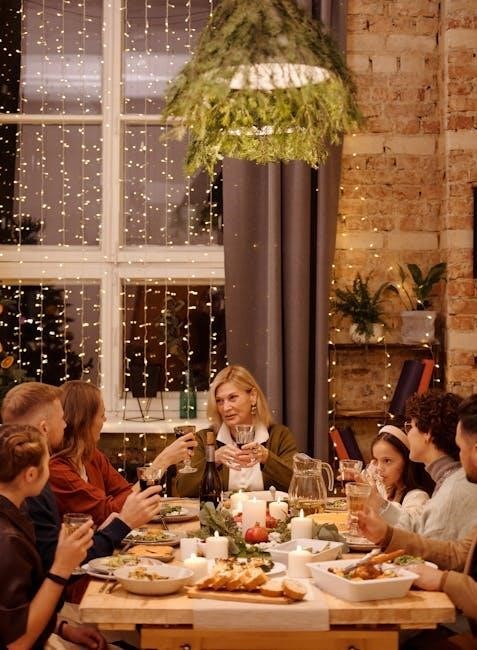
Day 5 of Yule focuses on strengthening bonds with family and community, fostering unity and warmth during the cold winter months․ This day is ideal for gathering loved ones, sharing stories, and enjoying meals together․ Many traditions involve feasting, singing, and exchanging small gifts to express gratitude and affection․ Rituals often include lighting candles or fires to symbolize the light of togetherness․ Activities like group crafts or games are also common, emphasizing collaboration and joy․ Honoring ancestors and departed loved ones is another key aspect, acknowledging their influence on family and community ties․ By celebrating this day, participants reinforce the importance of relationships and collective support, creating lasting memories and reinforcing cultural heritage․ This day serves as a reminder of the strength found in unity and the enduring power of love and connection․

Day 6: Traditional Foods
Day 6 of Yule highlights the importance of traditional foods, which play a central role in the celebration․ These dishes often carry deep symbolic meanings, reflecting the season’s themes of renewal and abundance․ Roasted meats, such as pork or beef, are common, symbolizing strength and prosperity․ Root vegetables like carrots, turnips, and potatoes are also featured, representing the earth’s bounty․ Sweet treats, such as spiced cakes and cookies, are prepared to honor the return of the sun․ Many recipes are passed down through generations, preserving cultural heritage․ Feasting is not only a way to nourish the body but also to foster togetherness and gratitude․ These traditional foods are often served during rituals, adding a layer of spiritual significance to the meal․ By embracing these culinary traditions, participants connect with their ancestors and the natural world․
Day 7: Crafts and Decorations
Day 7 of Yule focuses on crafts and decorations, a time to create meaningful items that reflect the season’s themes․ Traditional crafts include making wreaths from evergreen branches, symbolizing eternal life, and crafting ornaments like pinecones or ribbons to adorn homes․ Many people also create altars dedicated to deities or ancestors, using symbols like holly, ivy, and mistletoe․ These activities not only beautify the space but also deepen the connection to nature and heritage․ Crafting is often a family affair, passing down techniques and stories through generations․ Decorations are believed to attract positive energies and ward off negativity, fostering a welcoming atmosphere․ This day encourages creativity and mindfulness, transforming the home into a sacred space that honors the spirit of Yule․
Day 8: Divination and Reflection
Day 8 of Yule is a time for introspection and seeking guidance through divination․ Many practitioners use this day to reflect on the past year and gain insights into the future․ Traditional practices include Tarot spreads, rune casting, or gazing into flames to uncover hidden truths․ This day encourages quiet contemplation, journaling, and meditation to connect with one’s inner self and the divine․ It’s also a moment to honor the wisdom of ancestors and seek their counsel․ By engaging in these rituals, individuals can align their intentions for the coming year and release what no longer serves them․ Divination and reflection during Yule help deepen spiritual connection and foster personal growth, making this day a meaningful pause in the 12-day celebration․
Day 9: Bonfires and Light
Day 9 of Yule is a time to honor the power of light and fire, symbolizing the return of the sun after the longest night․ Bonfires, a ancient tradition, are lit to signify the triumph of light over darkness․ Many gather around the flames, singing, storytelling, and feasting․ This day is also a moment for purification and protection rituals, as fire is believed to cleanse and ward off negative energies․ Modern celebrations often include smaller fires, such as candles or fire pits, to safely continue the tradition․ The warmth and glow of the fire remind us of the promise of renewal and the approaching longer days․ This day is a powerful reminder of the cyclical nature of life and the eternal return of light and hope․
Day 10: Gift-Giving
Day 10 of Yule is a time to celebrate generosity and kindness through the tradition of gift-giving․ Rooted in ancient customs, this day reflects the spirit of sharing and gratitude․ Gifts are often handmade or symbolic, representing the giver’s thoughtfulness and connection to the recipient․ Unlike modern Christmas traditions, Yule gift-giving emphasizes simplicity and meaning, often including items like crafted jewelry, woven goods, or natural elements․ Families and friends exchange tokens of appreciation, reinforcing bonds and spreading joy․ This day also encourages acts of charity, extending kindness to those in need․ The practice of gift-giving during Yule serves as a reminder of the importance of community and the value of heartfelt gestures․ It is a time to nurture relationships and celebrate the abundance of life, embodying the warm and giving spirit of the season․
Day 11: Music and Dance
Day 11 of Yule is a vibrant celebration of music and dance, infusing the season with joy and rhythm․ Traditional songs and melodies, often accompanied by instruments like the fiddle or flute, fill the air, evoking the spirit of ancient festivities․ Dancing around the Yule tree or in circular formations symbolizes unity and the cyclical nature of life․ This day encourages communal gatherings, where families and friends come together to sing carols and perform traditional dances, fostering a sense of togetherness․ The lively atmosphere is heightened by feasting and merriment, making it a highlight of the 12-day celebration․ Music and dance not only honor the season but also serve as a way to express gratitude and welcome the returning light․ This day is a testament to the enduring power of joy and community during Yule․
Day 12: Closing the Celebration

Day 12 marks the final day of Yule, a time to reflect and bid farewell to the season․ Rituals often include thanking the gods for their blessings and expressing gratitude for the past year․ Many traditions involve a symbolic closing ceremony, such as extinguishing the Yule log or burning decorations to release negative energies․ Families gather for a final feast, sharing stories and memories from the 12 days․ This day also serves as a moment to set intentions for the coming year, fostering renewal and hope․ The closing of Yule is a bittersweet celebration, honoring the cycle of life and the promise of new beginnings․ It reminds us to carry the spirit of Yule into the rest of the year, embracing light, love, and resilience․
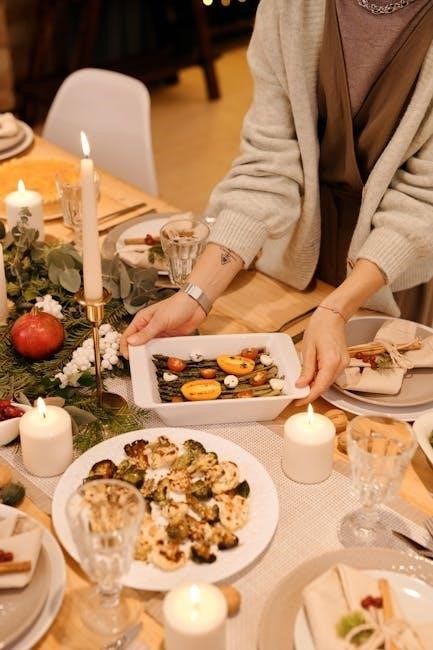
Yule Traditions
Yule traditions include tarot spreads, rituals, and crafts, blending ancient customs with modern practices․ Feasting, bonfires, and gift-giving honor the season’s spirit, fostering connection and renewal during the 12-day celebration․

Yule Tarot Spreads
A Yule Tarot Spread is a meaningful way to reflect on the past year and set intentions for renewal․ Found in guides like A Guide to Celebrating the 12 Days of Yule, these spreads often use 12 cards, symbolizing the 12 days of Yule․ Each card represents themes like release, renewal, and future goals, helping practitioners connect with the season’s energy․ The spreads encourage introspection and alignment with Yule’s themes of rebirth and light․ They also honor the cycle of nature and the return of the sun, making them a powerful tool for personal growth during this sacred time․
Winter Solstice Rituals
Winter Solstice rituals are central to Yule celebrations, marking the longest night and the sun’s rebirth․ These practices, detailed in guides like A Guide to Celebrating the 12 Days of Yule, often include lighting bonfires or candles to symbolize the return of light․ Many rituals involve reflecting on the past year and setting intentions for renewal․ Sacred spaces are prepared with evergreen branches, holly, and mistletoe, while chants and prayers honor the cycle of nature․ These customs foster a deep connection to the earth’s rhythms and the promise of new life․ By observing these traditions, participants align themselves with the season’s themes of hope and transformation, making the Winter Solstice a powerful moment for spiritual renewal․
Yule Crafts and Activities
Yule crafts and activities are a delightful way to engage with the season’s spirit․ Guides like A Guide to Celebrating the 12 Days of Yule suggest creating handmade decorations, such as wreaths from evergreen branches, holly, and mistletoe․ Crafting Yule logs, either real or symbolic, is another tradition, often accompanied by carving runes or symbols for protection and blessings․ Families can enjoy activities like storytelling, singing Yule songs, or hosting bonfires to mark the return of light․ These crafts and activities foster a sense of connection to nature and heritage, making Yule a time for creativity and togetherness․ They also provide meaningful ways to celebrate the season’s themes of renewal and hope, ensuring that the spirit of Yule is alive and vibrant in modern times․
Yule Recipes and Feasting
Feasting is a central part of Yule celebrations, with traditional recipes passed down through generations․ A Guide to Celebrating the 12 Days of Yule often includes dishes like roasted meats, spiced stews, and sweet treats such as gingerbread and Yule log cakes․ Mulled wines and spiced ciders are popular beverages, warming both body and spirit․ These meals are not only delicious but also symbolic, representing abundance and the return of light․ Feasting during Yule is a communal act, fostering connection and gratitude among family and friends․ The preparation and sharing of these dishes honor the season’s themes of renewal and togetherness, making Yule a time for both nourishment and celebration․
Yule is a time for reflection, renewal, and celebration․ Embrace its traditions, rituals, and feasts to connect with nature, family, and heritage, fostering a meaningful and joyful season․

Final Thoughts on Celebrating Yule
Yule is a profound time for reflection, renewal, and connection․ It serves as a bridge between the past and future, inviting us to honor ancient traditions while creating new memories․ By embracing rituals, feasts, and community, we align with nature’s cycle and foster a sense of belonging․ The 12-day celebration offers a structured yet flexible framework to explore folklore, crafts, and personal growth․ Whether through solitude or shared joy, Yule encourages mindfulness and gratitude․ As the season concludes, carry its spirit forward, nurturing the light within and around you․ Let Yule be a reminder of life’s cycles and the beauty of togetherness․