Discover the vibrant world of Wisconsin’s birds with Stan Tekiela’s field guide‚ featuring 121 species organized by color for easy identification‚ range maps‚ and stunning photographs․
Why Wisconsin is a Great Destination for Birding
Wisconsin is a top destination for birding due to its strategic location along major migration routes‚ offering a diverse range of bird species․ The state’s varied landscapes‚ from wetlands to forests‚ provide habitats for over 400 bird species․ Spring and fall migrations bring an influx of birds‚ making it a hotspot for spotting rare and migratory species․ Additionally‚ Wisconsin’s commitment to conservation ensures protected areas for bird habitats․ With resources like Stan Tekiela’s field guide‚ birders can easily identify species‚ enhancing their experience․ The state’s accessible parks and nature reserves‚ coupled with its active birding community‚ make it an ideal location for both novice and experienced bird enthusiasts to explore and enjoy the beauty of Wisconsin’s avifauna․
A Brief History of Bird Watching in Wisconsin

Bird watching in Wisconsin has a rich history‚ rooted in the state’s natural abundance of diverse bird species․ Early naturalists and settlers documented the region’s avifauna‚ laying the groundwork for modern birding․ The development of field guides‚ such as Stan Tekiela’s Birds of Wisconsin Field Guide‚ revolutionized bird identification‚ making it accessible to enthusiasts of all levels․ Over time‚ Wisconsin’s birding community grew‚ supported by conservation efforts and the establishment of protected habitats․ Today‚ the state is renowned for its vibrant birding culture‚ with events‚ festivals‚ and clubs fostering a shared passion for bird watching․ This legacy continues to inspire new generations to explore and appreciate Wisconsin’s feathered treasures․
Understanding Bird Identification
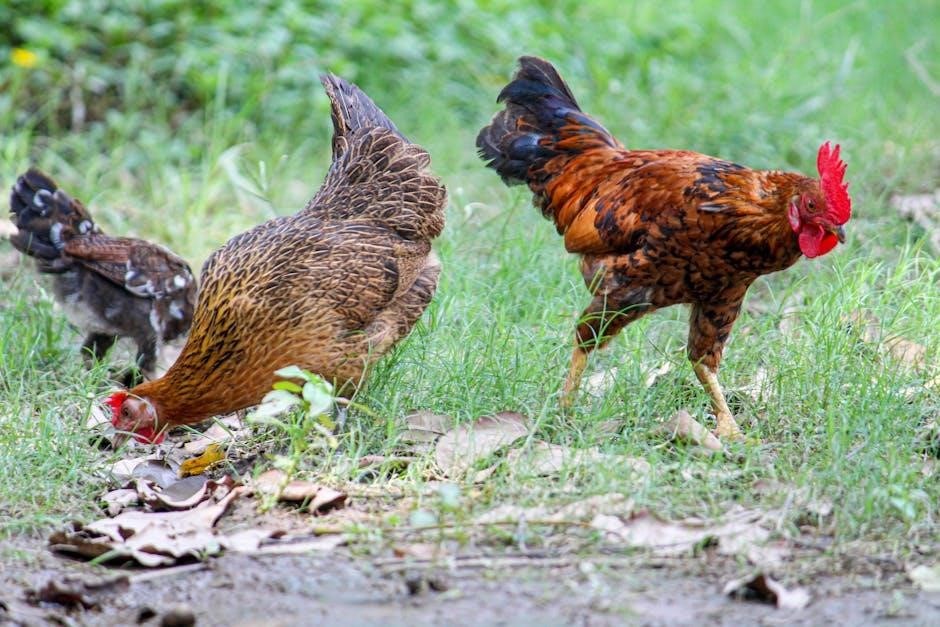
Stan Tekiela’s field guide simplifies bird identification in Wisconsin with color-coded sections‚ range maps‚ and detailed photographs‚ helping enthusiasts quickly recognize species based on appearance and habitat․
Key Characteristics for Identifying Birds
Identifying Wisconsin birds is made easier with Stan Tekiela’s field guide‚ which highlights key characteristics such as plumage‚ beak shape‚ size‚ and behavior․ The guide’s color-coded system allows users to quickly narrow down species by hue‚ while range maps and detailed photographs provide additional clarity․ For instance‚ a yellow bird can be instantly directed to the yellow section‚ reducing confusion․ The guide also includes a “compare” feature to distinguish between similar species‚ ensuring accurate identification․ Stan’s notes offer insightful naturalist tidbits‚ enhancing the learning experience․ With crisp‚ full-page images and updated information‚ this resource is indispensable for both novice and experienced birders‚ making bird identification in Wisconsin straightforward and enjoyable․

Using Field Guides for Accurate Identification
Stan Tekiela’s field guide is an essential tool for accurate bird identification in Wisconsin․ Organized by color‚ the guide simplifies the process‚ allowing users to quickly locate species based on their plumage․ Each entry includes range maps‚ which indicate where birds can be found during different seasons‚ and detailed photographs that capture key features․ The third edition has been updated with new species‚ improved images‚ and expanded information‚ making it a comprehensive resource․ The guide’s compare feature helps distinguish between look-alike birds‚ while Stan’s notes provide additional insights․ Whether you’re a novice or an experienced birder‚ this field guide ensures precise identification‚ making it an indispensable companion for exploring Wisconsin’s avifauna․
Seasonal Birding in Wisconsin
Wisconsin offers exceptional birding experiences year-round‚ with spring migration bringing warblers‚ summer hosting breeding species‚ fall migration showcasing diverse travelers‚ and winter revealing hardy resident birds․
Spring Migration: What to Expect
Spring migration in Wisconsin is a thrilling time for birders‚ as thousands of species return from their wintering grounds․ Warblers‚ tanagers‚ and orioles are among the colorful visitors that arrive‚ offering stunning displays of plumage and song․ The state’s wetlands‚ forests‚ and shorelines become bustling hubs of activity‚ with birds refueling for their journeys; Stan Tekiela’s field guide is an invaluable resource‚ helping enthusiasts identify these species by color‚ range‚ and behavior․ Key locations like Horicon Marsh and Door Peninsula are hotspots during this period․ Timing is crucial‚ with peak migration occurring in late April and early May․ This season is a perfect opportunity to spot rare and migratory birds‚ making it a highlight for Wisconsin’s birding community․
Summer Breeding Season: Common Species
During Wisconsin’s summer breeding season‚ the state becomes a haven for a variety of bird species․ Common sightings include the American Robin‚ Red-winged Blackbird‚ and Yellow Warbler‚ which are easily identifiable using Stan Tekiela’s field guide․ These birds thrive in Wisconsin’s diverse habitats‚ from wetlands to backyards‚ and are known for their vibrant plumage and distinctive songs․ The guide’s detailed photographs and range maps help birders locate and recognize these species effortlessly․ Summer is also a prime time to observe nesting behaviors‚ as many birds establish territories and raise their young․ With over 100 species documented‚ the field guide is an essential tool for enthusiasts to fully appreciate Wisconsin’s avian diversity during this lively season․
Fall Migration: Tracking Bird Movements
Fall migration in Wisconsin offers a spectacular opportunity to observe birds as they travel south for the winter․ Species like warblers‚ sparrows‚ and waterfowl pass through the state‚ creating a dynamic birding experience․ Stan Tekiela’s field guide is invaluable for identifying these transient visitors‚ as it includes detailed range maps and photographs․ The guide’s color-coded organization helps birders quickly locate species‚ such as the Ruby-crowned Kinglet or the White-throated Sparrow‚ which are common during this season․ Fall migration peaks in September and October‚ with birds often congregating in wetlands and woodlands․ By using the guide’s comparison feature‚ enthusiasts can distinguish between similar species‚ making the most of this busy birding period in Wisconsin․
Winter Birding: Identifying Year-Round Residents
Winter birding in Wisconsin offers a unique chance to spot hardy year-round residents that thrive in the cold․ Species like the Black-capped Chickadee‚ Blue Jay‚ and American Crow remain in the state‚ adapting to snowy conditions․ Stan Tekiela’s field guide is essential for identifying these birds‚ with detailed photographs and range maps that confirm their presence during winter․ The guide’s color-coded sections help birders quickly locate species‚ such as the Snow Bunting‚ which migrates into Wisconsin during this time․ Winter birding often involves observing birds at feeders or in open fields‚ where they forage for seeds and suet․ By using the guide’s comparison feature‚ enthusiasts can distinguish between similar species‚ enhancing their winter birding experience in Wisconsin’s frosty landscapes․
Popular Birding Locations in Wisconsin
Wisconsin’s top birding spots‚ like Horicon Marsh and Door Peninsula‚ are highlighted in Stan Tekiela’s field guide‚ offering detailed maps and species information for explorers․
Top Birding Hotspots in the State
Wisconsin boasts an array of exceptional birding locations‚ as highlighted in Stan Tekiela’s field guide; Horicon Marsh‚ a renowned wetland‚ is a critical stopover for waterfowl and shorebirds‚ offering unparalleled opportunities to spot species like the American Avocet and Black-bellied Plover․ Door Peninsula‚ with its unique mix of forests and coastal habitats‚ attracts migratory songbirds and raptors‚ making it a hotspot during spring and fall migrations․ The Milwaukee River corridor is another prime location‚ providing urban birding chances to observe species such as the Peregrine Falcon․ These sites‚ along with others featured in the guide‚ ensure a diverse and enriching birding experience across Wisconsin’s varied landscapes․
Best Parks and Nature Reserves for Birding

Wisconsin’s diverse parks and nature reserves provide exceptional birding opportunities․ Wyalusing State Park‚ located along the Mississippi River‚ is a key spot for spotting migratory birds‚ including warblers and tanagers․ Devil’s Lake State Park‚ with its mix of forests and wetlands‚ attracts species like the Common Loon and Bald Eagle․ The Wisconsin River valley offers habitats for waterfowl and raptors‚ while the Northwoods region is home to boreal species such as the Black-backed Woodpecker․ These areas‚ featured in Stan Tekiela’s field guide‚ offer a variety of ecosystems that support a wide range of birdlife‚ making them must-visit destinations for bird enthusiasts exploring Wisconsin’s natural beauty․
Bird Behavior and Habitat
Wisconsin’s birds thrive in diverse habitats‚ from wetlands to forests․ Understanding their behavior‚ such as migration patterns and feeding habits‚ enhances identification using field guides like Stan Tekiela’s․
Understanding Bird Habitats in Wisconsin
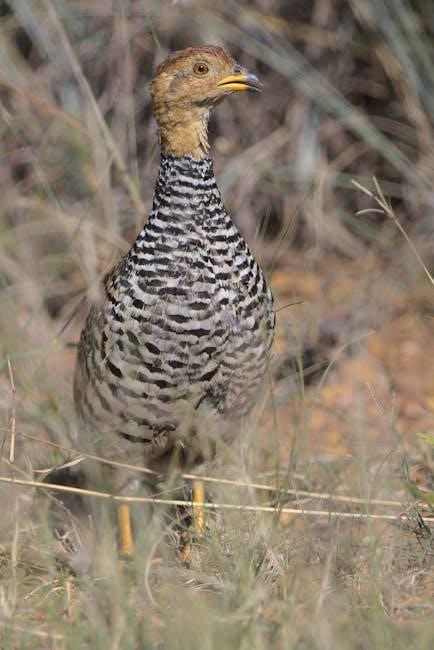
Wisconsin’s diverse ecosystems support a wide variety of bird habitats‚ from wetlands and forests to grasslands and urban areas․ Wetlands‚ such as marshes and swamps‚ are crucial for waterfowl and shorebirds‚ while forests provide refuge for woodpeckers and warblers․ Grasslands attract prairie species like meadowlarks and sparrows․ Backyard habitats‚ with feeders and native plants‚ draw common birds like cardinals and finches․ Stan Tekiela’s field guide highlights these habitats‚ offering insights into where specific species thrive․ By understanding these environments‚ birders can better locate and identify Wisconsin’s birds‚ making their field guide an essential tool for exploring the state’s avian diversity․
Behavioral Traits for Field Identification
Behavioral traits are essential for accurately identifying birds in the field․ Stan Tekiela’s field guide emphasizes how actions like flight patterns‚ foraging habits‚ and social interactions can distinguish species․ For instance‚ the way a bird flutters its wings or searches for food can reveal its identity․ The guide also highlights vocalizations‚ a critical trait for identifying birds‚ especially during breeding seasons․ By observing these behaviors‚ birders can better differentiate between similar-looking species․ The guide’s detailed notes and professional photographs further enhance the ability to recognize these traits‚ making it an invaluable resource for both novice and experienced bird watchers in Wisconsin․
Conservation Efforts in Wisconsin
Wisconsin’s conservation initiatives focus on protecting bird habitats and populations through local organizations and awareness programs‚ ensuring sustainable environments for both migratory and resident bird species․
Protecting Bird Populations in the State
Wisconsin is committed to safeguarding its bird populations through targeted conservation efforts․ Habitat restoration projects focus on preserving wetlands‚ forests‚ and grasslands‚ which are critical for migratory and resident species․ Local organizations collaborate with state agencies to monitor bird health‚ address threats like habitat loss‚ and promote sustainable practices․ Education plays a key role‚ with initiatives like Stan Tekiela’s field guide raising awareness about bird identification and conservation needs․ Climate change mitigation strategies are also being implemented to protect vulnerable species․ By combining research‚ community engagement‚ and policy support‚ Wisconsin aims to ensure the long-term survival of its diverse bird populations․
- Habitat restoration and protection are priorities․
- Addressing climate change impacts on bird habitats․
- Community education and involvement are essential․
Local Organizations Supporting Bird Conservation
Wisconsin is home to dedicated organizations that play a crucial role in bird conservation․ The Wisconsin Audubon Society and the Wisconsin Bird Conservation Initiative are leading efforts to protect avian populations․ These groups focus on habitat restoration‚ education‚ and advocacy to ensure the survival of native and migratory birds․ They collaborate with local communities‚ schools‚ and government agencies to create bird-friendly environments and promote sustainable practices․ Additionally‚ these organizations provide resources for birders‚ such as field guides and workshops‚ to foster a deeper appreciation for Wisconsin’s birdlife․ Their work is essential for maintaining the state’s rich biodiversity and ensuring that future generations can enjoy bird watching in Wisconsin․
- Wisconsin Audubon Society: Advocates for bird-friendly policies and habitats;
- Wisconsin Bird Conservation Initiative: Focuses on collaborative efforts for bird protection․
- Community engagement and education are key strategies․
Birding Events and Festivals
Wisconsin hosts annual birding festivals‚ bringing enthusiasts together to celebrate bird watching․ Events feature guided tours‚ workshops‚ and opportunities to spot migratory species using field guides․
Annual Birding Festivals in Wisconsin
Wisconsin’s annual birding festivals attract enthusiasts from across the state‚ offering a chance to celebrate bird watching and connect with nature․ These events typically coincide with peak migration seasons‚ such as spring and fall‚ when diverse species pass through the region․ Festivals often feature guided bird walks‚ expert lectures‚ and workshops on bird identification using field guides like Stan Tekiela’s Birds of Wisconsin Field Guide․ Participants can explore habitats ranging from wetlands to forests‚ spotting species like warblers‚ waterfowl‚ and raptors․ Many festivals also include family-friendly activities‚ such as bird-themed crafts and interactive exhibits‚ making them accessible to all ages․ These events not only promote bird conservation but also foster a sense of community among birders‚ inspiring a deeper appreciation for Wisconsin’s avian diversity․
Joining Local Birding Clubs and Groups
Joining local birding clubs and groups in Wisconsin is a fantastic way to enhance your bird-watching experience․ These organizations offer a wealth of resources‚ including guided tours‚ expert insights‚ and networking opportunities with fellow enthusiasts․ Many clubs utilize field guides like Stan Tekiela’s Birds of Wisconsin Field Guide to help members identify species accurately․ By participating in group events‚ you can explore diverse habitats‚ from wetlands to forests‚ and gain a deeper understanding of bird behavior and migration patterns․ Additionally‚ clubs often host workshops and lectures‚ providing tips on using field guides effectively and staying updated on the latest birding trends․ Being part of a birding community fosters camaraderie and encourages shared learning‚ making your bird-watching adventures even more rewarding and enjoyable․
Using Technology for Birding
Enhance your birding experience with apps like bird song identifiers and camera gear for photography‚ helping you track and document Wisconsin’s diverse bird species effectively․
Birding Apps for Identification and Tracking
Birding apps like bird song identification tools are essential for Wisconsin birders‚ offering features to recognize species by their calls and track sightings․ These apps complement field guides by providing real-time data‚ helping enthusiasts identify birds quickly․ With features like visual and audio databases‚ users can compare unknown birds with known species effortlessly․ Many apps also include range maps‚ updated sightings‚ and community sharing options‚ enhancing the birding experience․ They are particularly useful during migrations‚ when rare species may appear․ By combining traditional field guides with modern technology‚ birders can document and learn about Wisconsin’s avifauna more effectively‚ making every outing more productive and enjoyable․ These tools are indispensable for both seasoned birders and newcomers alike․
Camera Gear for Bird Photography
Capturing the beauty of Wisconsin’s birds requires the right camera gear․ A DSLR or mirrorless camera with a telephoto lens (200-600mm) is ideal for distant shots․ Image stabilization ensures sharp images‚ while fast autofocus helps track moving birds․ A tripod is useful for stability‚ especially in low light․ Memory cards with ample storage are essential for high-resolution photos․ Additional accessories like a camera bag and cleaning kit protect your equipment․ Learning bird behavior and habitats enhances your ability to anticipate and capture stunning moments․ With the right gear and knowledge‚ you can document Wisconsin’s avifauna effectively‚ preserving memories of your birding adventures․ Investing in quality equipment elevates your bird photography‚ making it a rewarding complement to your bird-watching experiences․
Stan Tekiela’s field guide is a vital resource for Wisconsin birders‚ offering detailed insights and stunning visuals to enhance your bird-watching journey and foster a deeper connection with nature․

Final Tips for Successful Birding in Wisconsin
For a rewarding birding experience in Wisconsin‚ rely on Stan Tekiela’s field guide‚ which simplifies identification with its color-coded system and detailed range maps․ Always carry the guide to quickly compare species and confirm sightings․ Pay attention to bird calls‚ as they are crucial for identification‚ especially in dense habitats․ Use the guide’s “Compare” feature to distinguish between similar species․ Take advantage of the included audio CDs to learn bird vocalizations‚ enhancing your ability to spot birds by sound․ Stay patient and observant‚ as birds can be elusive․ Join local birding groups or events to gain insights and share knowledge․ By combining the field guide with these tips‚ you’ll maximize your birding success and deepen your appreciation for Wisconsin’s avifauna․
Encouraging Others to Explore Bird Watching
Sharing the joy of bird watching in Wisconsin can inspire others to connect with nature and learn about its diverse avifauna․ Introduce friends and family to Stan Tekiela’s field guide‚ which simplifies bird identification with its color-coded system and detailed range maps․ Emphasize how the guide’s professional photos and fact-filled information make birding accessible to everyone․ Encourage newcomers to start with common species and gradually explore more elusive birds․ Suggest attending local birding events or joining clubs to foster a sense of community․ Highlight the educational benefits‚ such as learning about bird habitats and conservation efforts․ By making bird watching fun and inclusive‚ you can help others develop a lifelong passion for this rewarding hobby and contribute to the appreciation of Wisconsin’s natural beauty․