Gua Sha: A Complete Self-Treatment Guide
Gua Sha, rooted in traditional Chinese medicine, offers a holistic approach to wellness, enhancing beauty rituals and providing therapeutic benefits for both face and body.
What is Gua Sha?
Gua Sha is a traditional Chinese healing technique utilizing a smooth-edged tool to stroke the skin, promoting circulation and releasing stagnation. This practice, deeply embedded in wellness traditions, isn’t merely a beauty trend; it’s a therapeutic method.
The process creates temporary redness, known as “sha,” indicating improved blood flow. Gua Sha facial tools lift and smooth skin, while body Gua Sha addresses muscle tension and pain. It’s a versatile technique, adaptable for various needs, from radiant skin to spinal joint mobility.
The History and Origins of Gua Sha
Gua Sha’s roots trace back centuries within traditional Chinese medicine, with evidence suggesting its practice as early as the Paleolithic age. Originally, any readily available tool – stone, ceramic, or even coins – served as the implement.
The technique evolved as a method to address illness by manipulating qi, or vital energy, and promoting blood flow. Over time, specialized tools emerged, crafted from materials like jade and rose quartz. Today, Gua Sha blends ancient wisdom with modern wellness practices, gaining global recognition.
Benefits of Gua Sha
Gua Sha offers a diverse range of benefits, extending beyond superficial aesthetic improvements. Clinically, it’s demonstrated potential in reducing pain and improving spinal joint mobility, fostering a better overall disposition.
Cosmetically, Gua Sha enhances skin lifting and smoothing, contributing to a more radiant complexion. The practice promotes lymphatic drainage, aiding detoxification, and boosts circulation, delivering vital nutrients to skin cells. It’s a holistic therapy addressing both physical and cosmetic well-being.
Pain Relief and Muscle Tension
Gua Sha excels in alleviating pain and releasing muscle tension through its unique mechanism of action. The scraping technique breaks down adhesions and encourages blood flow to affected areas, diminishing discomfort.
Studies indicate Gua Sha’s effectiveness in reducing pain, particularly related to spinal joint issues, improving mobility and overall comfort. This makes it a valuable tool for those experiencing chronic pain or muscle tightness, offering a natural and potentially effective alternative or complement to conventional treatments.
Improved Circulation
Gua Sha significantly boosts circulation by stimulating blood flow to the treated areas. The scraping action creates a temporary, localized increase in blood vessel dilation, delivering vital oxygen and nutrients to tissues.
This enhanced circulation aids in muscle recovery, reduces inflammation, and promotes overall tissue health. Improved blood flow also supports the removal of metabolic waste products, contributing to a revitalized and healthier complexion and body function. It’s a key benefit of this ancient practice.
Lymphatic Drainage and Detoxification
Gua Sha powerfully supports lymphatic drainage, a crucial process for removing toxins and waste from the body. The gentle scraping motions encourage the movement of lymphatic fluid, helping to clear congestion and boost the immune system.
By stimulating lymphatic flow, Gua Sha aids in detoxification, reducing puffiness, and promoting a clearer, brighter complexion. This process also supports overall health and well-being, contributing to a more balanced and revitalized state.
Types of Gua Sha Tools
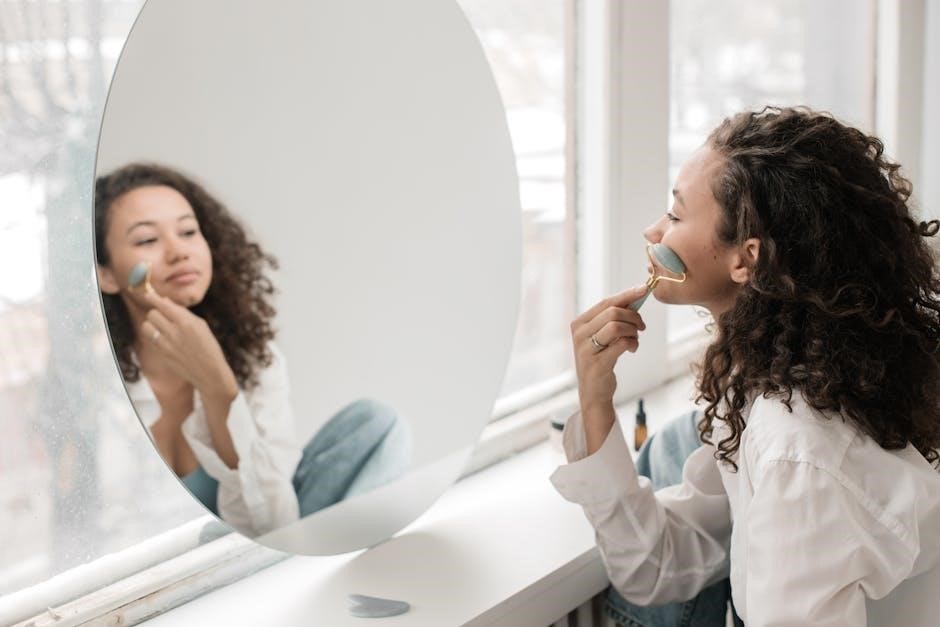
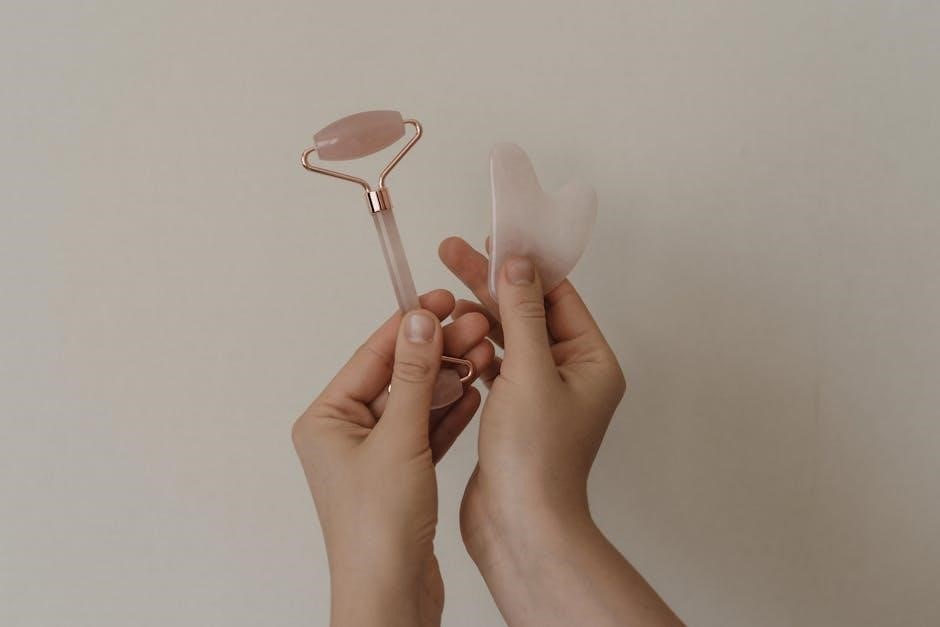
Gua Sha tools come in various materials, each offering unique benefits. Jade Gua Sha is traditionally favored for its cooling properties and association with balance and harmony. Rose Quartz Gua Sha is known for its gentle energy and ability to promote self-love and reduce inflammation.
Stainless Steel Gua Sha provides a hygienic and durable option, often preferred for its ability to effectively address muscle tension. The choice depends on personal preference and desired therapeutic effect, with each material offering a distinct experience.
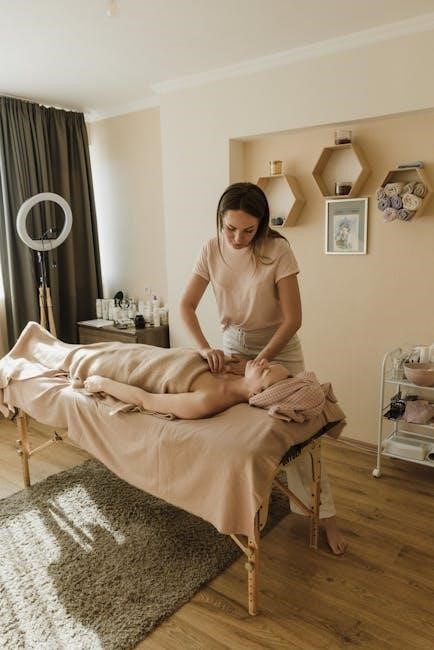
Jade Gua Sha
Jade Gua Sha tools are deeply rooted in traditional Chinese medicine, celebrated for their cooling and soothing properties. Historically favored, jade is believed to promote balance and harmony within the body, aiding in energy flow. The smooth surface glides effortlessly across the skin, enhancing circulation and reducing inflammation.
Genuine jade offers a luxurious experience, though quality varies. It’s often chosen for facial Gua Sha due to its gentle nature, promoting a radiant complexion and overall well-being. Proper cleaning and care are essential to maintain its integrity.
Rose Quartz Gua Sha
Rose Quartz Gua Sha tools are prized for their association with love and emotional healing, complementing the physical benefits of the practice. This crystal is known for its gentle energy, making it ideal for sensitive skin and promoting a calming experience during self-treatment.
The smooth, cool surface of rose quartz enhances circulation and lymphatic drainage, contributing to a brighter, more youthful complexion. Many appreciate its aesthetic appeal and believe it amplifies intentions during facial massage, fostering self-care and inner peace.
Stainless Steel Gua Sha
Stainless Steel Gua Sha tools offer a hygienic and durable option for those seeking a non-porous surface. Unlike stone tools, stainless steel is easy to sanitize, minimizing the risk of bacterial buildup, and is often preferred by practitioners for its precision.
The cool temperature of the metal can be particularly soothing for inflamed skin, and its smooth edge allows for effective scraping and contouring. While lacking the energetic properties of crystals, stainless steel provides a reliable and effective tool for lymphatic drainage and muscle tension relief.
Preparing for a Gua Sha Session
Proper preparation is crucial for a successful Gua Sha experience. Begin by ensuring a clean workspace and selecting a suitable oil or serum to provide slip and prevent skin tugging – jojoba, rosehip, or facial oils are excellent choices.
Thoroughly cleanse your skin to remove makeup, dirt, and impurities. Gentle exfoliation can further enhance the benefits. Warm the oil in your hands before application, and always perform Gua Sha on clean, hydrated skin for optimal results and minimized friction.
Choosing the Right Oil or Serum
Selecting the appropriate oil or serum is paramount for a smooth and effective Gua Sha session. Opt for products with a lubricating texture to minimize friction and prevent skin irritation. Jojoba oil closely mimics the skin’s natural sebum, while rosehip oil offers nourishing benefits.
Facial serums containing hydrating ingredients like hyaluronic acid can also be used. Avoid thick creams or lotions, as they may hinder the tool’s glide. Always patch-test new products to ensure compatibility and prevent adverse reactions.
Skin Preparation and Cleansing
Prior to your Gua Sha session, thorough skin preparation is essential. Begin by gently cleansing your face to remove makeup, dirt, and impurities. This creates a hygienic surface and allows the tool to glide effortlessly. Follow cleansing with a warm towel to open pores, enhancing product absorption.
Ensure your hands are clean, and your hair is pulled back. A clean canvas maximizes the benefits and minimizes the risk of introducing bacteria. Proper preparation sets the stage for a relaxing and effective treatment.
Facial Gua Sha Techniques
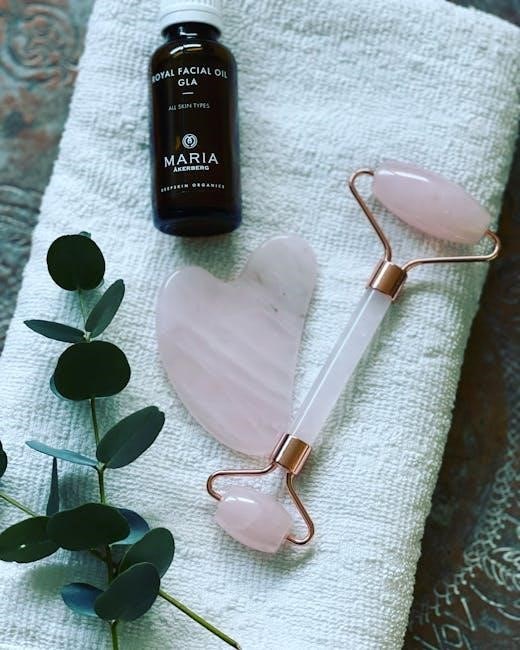
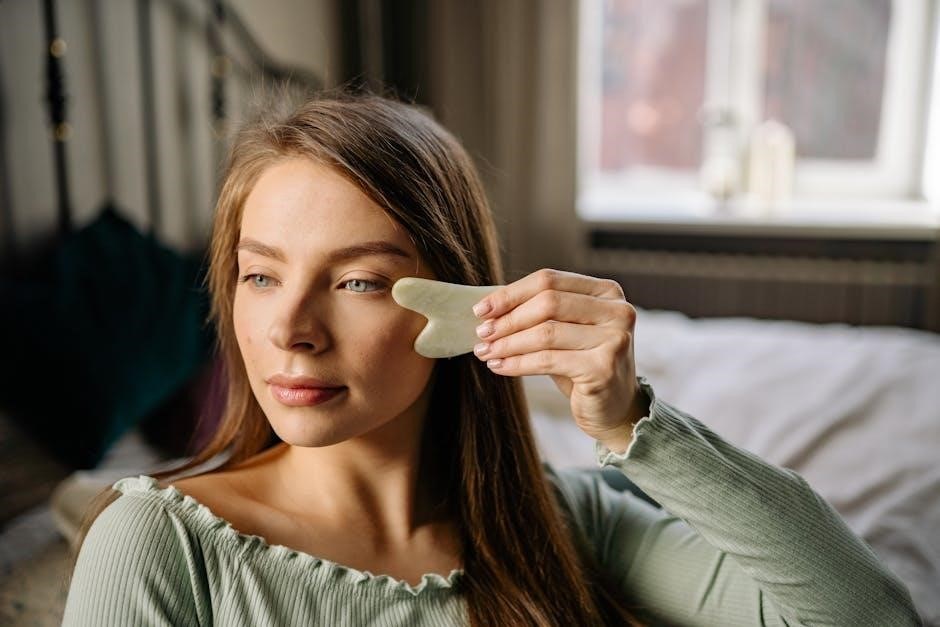
Facial Gua Sha involves gentle, rhythmic strokes to stimulate circulation and promote lymphatic drainage. Always apply light to medium pressure, working outwards and upwards. Begin with the neck, gently scraping from the base of the neck towards the jawline to release tension.
Continue to the cheeks, using upward strokes, and finish on the forehead, moving from the center outwards. Consistent, mindful movements are key to achieving a lifted and radiant complexion. Remember to always use oil or serum!
Neck and Jawline Gua Sha
Neck and jawline Gua Sha targets tension often held in these areas. Begin by applying gentle pressure with your Gua Sha tool at the base of the neck, stroking upwards towards the jawline. Repeat this motion several times on each side, ensuring smooth, consistent movements.
Focus on releasing muscle tightness along the jawline by scraping outwards from the chin towards the ears. This technique helps define the jawline and alleviate tension, promoting relaxation and improved circulation.
Cheek and Nasolabial Fold Gua Sha
Addressing cheeks and nasolabial folds with Gua Sha involves gentle upward strokes. Start at the corners of the mouth and glide the tool along the cheekbones towards the temples, lifting and smoothing the skin. This helps to reduce puffiness and promote a more sculpted appearance.
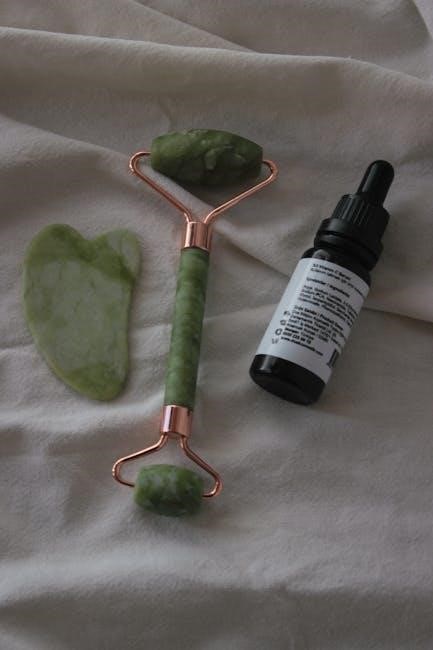
For nasolabial folds, use a gentle, lifting motion from the sides of the nose outwards towards the cheeks. Repeat these movements to soften lines and improve skin elasticity, enhancing radiance and overall facial contour.
Forehead and Brow Bone Gua Sha
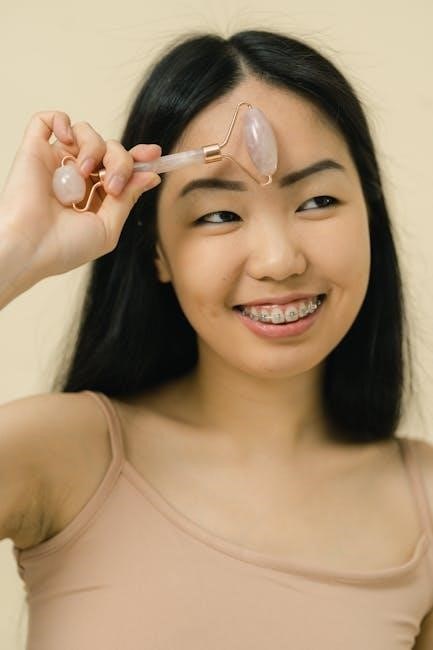
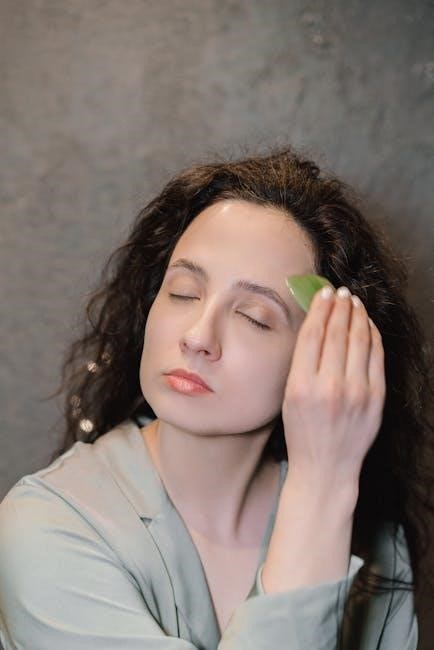
Targeting the forehead and brow bone with Gua Sha begins with gentle upward strokes from the eyebrows to the hairline. This technique helps to release tension, reduce forehead wrinkles, and lift the brow area, creating a more open and youthful appearance.
Focus on the brow bone by using small, circular motions to stimulate circulation and promote lymphatic drainage. Consistent practice can alleviate stress lines and enhance the overall smoothness of the forehead skin, contributing to a relaxed and rejuvenated look.
Body Gua Sha Techniques
Expanding beyond the face, Body Gua Sha utilizes longer strokes to address muscle tension and improve circulation throughout the body. Techniques for the back and shoulders involve sweeping motions along muscle fibers, promoting relaxation and pain relief.
For legs and arms, apply moderate pressure with the Gua Sha tool, moving upwards towards the heart to encourage lymphatic drainage. This can help reduce muscle soreness, improve recovery after exercise, and enhance overall well-being. Always use oil for smooth gliding.
Back and Shoulder Gua Sha
Targeting tension hotspots, Back and Shoulder Gua Sha employs long, flowing strokes following the muscle fiber direction. Begin at the base of the neck and move downwards along the spine, then outwards across the shoulder blades.
Apply moderate, consistent pressure, ensuring the skin remains taut. This technique alleviates muscle knots, reduces stiffness, and promotes relaxation. Focus on areas feeling particularly tight. Remember to use ample oil to prevent friction and maximize comfort during the session.
Leg and Arm Gua Sha
For limbs, Leg and Arm Gua Sha utilizes similar long strokes, working with the natural direction of muscle flow. On legs, start at the ankles and move upwards towards the thighs, focusing on calves and hamstrings. For arms, begin at the wrists and glide towards the shoulders.
Maintain consistent pressure and ensure adequate lubrication with oil. This technique can improve circulation, reduce muscle soreness post-exercise, and alleviate general tension. Pay attention to any areas of discomfort and adjust pressure accordingly.
Precautions and Contraindications
Gua Sha isn’t suitable for everyone. Avoid use on areas with skin conditions like rashes, open wounds, or severe acne. Individuals with bleeding disorders, taking blood thinners, or with active infections should also refrain.
Caution is advised for those with medical conditions; consult a healthcare professional first. Pregnant women should avoid Gua Sha on the abdomen. Always listen to your body and discontinue if experiencing excessive pain or discomfort. Gentle pressure is key, especially when starting.
Skin Conditions and Sensitivity
Individuals with sensitive skin should proceed with extra caution. Avoid Gua Sha on areas affected by eczema, psoriasis, or rosacea flare-ups. Broken capillaries or fragile skin require a very gentle touch and reduced pressure.
Never perform Gua Sha over sunburned or irritated skin. If you’re unsure about your skin’s tolerance, test a small, inconspicuous area first. Discontinue immediately if redness or irritation develops, and consult a dermatologist if concerns persist.
Medical Conditions to Consider
Certain medical conditions warrant caution or avoidance of Gua Sha. Individuals with bleeding disorders, taking blood thinners, or with active infections should not undergo this treatment. Avoid Gua Sha over areas with varicose veins, deep vein thrombosis, or recent injuries.
If you have a history of cancer, heart conditions, or are pregnant, consult your physician before trying Gua Sha. It’s crucial to prioritize safety and avoid potential complications by seeking professional medical advice.
Post-Gua Sha Care
Following a Gua Sha session, prioritize hydration to support the body’s natural detoxification processes. Protect your skin from sun exposure, as it may be more sensitive post-treatment. Mild redness or bruising is common and typically subsides within a few days.
Apply a gentle moisturizer to soothe the skin. Avoid harsh products or further stimulation of the treated area for at least 24 hours, allowing your body to fully benefit from the session.
Hydration and Sun Protection
Replenishing fluids post-Gua Sha is crucial; drink plenty of water to aid detoxification and support the body’s healing response. Increased water intake helps flush out released toxins, maximizing the benefits of the treatment.
Sun protection is equally vital. Gua Sha can temporarily increase skin sensitivity, making it more vulnerable to UV damage. Always apply a broad-spectrum sunscreen with a high SPF, even on cloudy days, to prevent sunburn and maintain skin health.
Managing Redness and Bruising
Post-Gua Sha redness is normal, indicating increased circulation to the treated area. It typically subsides within a few hours to a day. Mild bruising, known as “sha,” may appear, representing stagnation being released.
Apply a cold compress immediately after the session to minimize inflammation and bruising. Gentle, hydrating skincare can also soothe the skin. Avoid strenuous activity and direct sun exposure for 24 hours to allow for optimal healing and recovery.
Frequency and Consistency
Establishing a consistent Gua Sha routine is key to experiencing its full benefits. For general wellness and maintenance, 1-3 times per week is often recommended. Individuals addressing specific concerns, like muscle tension, may benefit from more frequent sessions initially, gradually decreasing as improvement occurs.
Listen to your body and adjust the frequency accordingly. Regular practice promotes circulation, lymphatic drainage, and overall skin health, yielding cumulative positive results over time.
How Often Should You Gua Sha?
Determining the ideal frequency of Gua Sha depends on individual needs and skin sensitivity. For preventative care and maintaining skin radiance, 2-3 times weekly is a good starting point. If addressing specific issues like muscle tension or lymphatic congestion, initial sessions can be more frequent – perhaps 3-4 times a week.
Observe your skin’s response; redness should subside within a day. Avoid daily Gua Sha unless advised by a healthcare professional. Consistency is more important than intensity.
Building a Gua Sha Routine
Establish a consistent routine by incorporating Gua Sha into your self-care regimen. Begin with a thorough cleanse and apply a nourishing oil or serum. Dedicate 5-10 minutes per session, focusing on specific areas like the neck, jawline, or forehead.

Combine Gua Sha with other skincare steps – cleanse, tone, Gua Sha, serum, and moisturize. Listen to your body and adjust pressure accordingly. A regular practice yields cumulative benefits, promoting lymphatic drainage and a radiant complexion.