Guides at Franz Josef Glacier NZ offer tours from the icy helipad, where the Southern Alps rise steeply. The helicopter drop gives a breathtaking view before the journey begins. Experienced guides combine safety, local knowledge, and storytelling to make each visit unforgettable. Guides offer support, adapting routes to your skill level for all
Types of Guided Tours Available
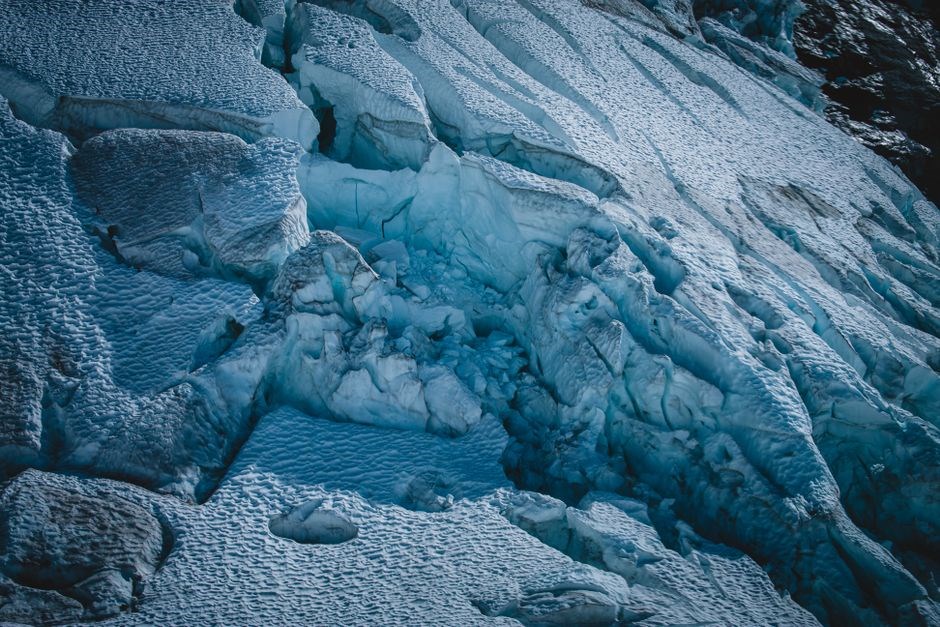
Explore the glacier with diverse guided options: helicopter drops to the icy helipad, guided walks across crevasses, and ice‑climbing sessions for seasoned climbers. Each tour blends safety briefings, local lore, and expert navigation, ensuring visitors experience the Southern Alps’ grandeur while staying secure. All tours meet safety standards
Glacier Helicopter Expeditions
Experience the ultimate aerial adventure with Franz Josef Glacier NZ’s helicopter tours. The flight departs from the nearby town of Fox Glacier, where seasoned pilots guide you through the Southern Alps’ dramatic weather patterns. As the helicopter climbs, you’ll witness the glacier’s towering ice formations, the turquoise meltwater streams, and the surrounding rainforest canopy from a perspective that few can match. Upon arrival, the crew safely lands on the glacier’s icy helipad, a temporary platform built for the purpose of these excursions. The landing area is carefully maintained, with non‑slip surfaces and secure anchoring points to ensure stability even in windy conditions. Once on the glacier, a certified guide will brief you on safety protocols, including the use of crampons, harnesses, and rope systems. The guide will also explain the glacier’s geology, highlighting the crevasses, seracs, and the dynamic processes that shape this natural wonder. For those seeking a more hands‑on experience, the tour may include a short walk across the ice, where you can feel the texture of the snow and the subtle vibrations of the glacier’s movement. The helicopter expedition is ideal for travelers who want to combine breathtaking views with a safe, guided exploration of one of New Zealand’s most iconic landscapes. All tours are conducted under strict environmental guidelines to minimize impact on the fragile ecosystem. The guides are knowledgeable, friendly, and passionate about sharing the glacier’s story, ensuring that every visitor leaves with unforgettable memories and a deeper appreciation for the natural world. All tours meet safety. Ok.
Guided Walks and Ice Climbing Sessions
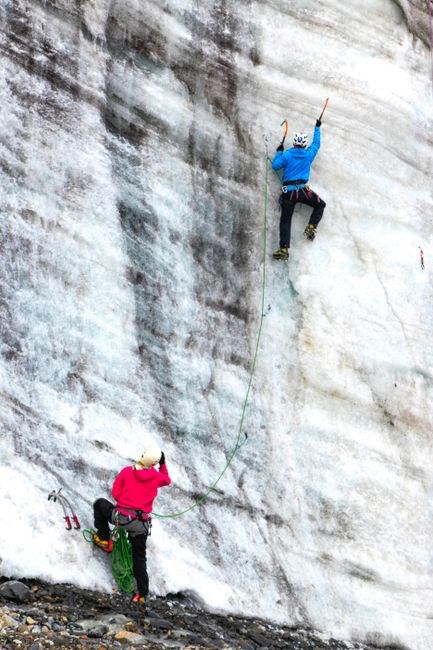
All tours run year‑round, with peak season from November to April offering the most stable ice conditions. Guides recommend layered clothing, waterproof boots, and a windproof jacket for sudden temperature drops. Group size is limited to 8–12 participants to keep environmental impact low and provide personalized instruction. Before departure, guides give a safety briefing covering glacier etiquette, staying on marked paths, and hazard reporting. New climbers can take introductory courses covering rope handling, ice axe use, and self‑belay techniques, followed by a short climb under close supervision. The glacier’s unique features, such as hanging ice cliffs and “icefall” sections, offer varied climbing challenges for different skill levels. After the climb, participants enjoy warm tea or coffee at base camp, reflecting on achievements while overlooking the landscape. Guided walks and ice climbing sessions let every visitor, regardless of experience, safely explore the beauty while learning about science conservation efforts that protect landscape.
Book your adventure and witness nature’s grandeur!
Explore world iconic glacier.
Leading Guide Companies and Booking Tips
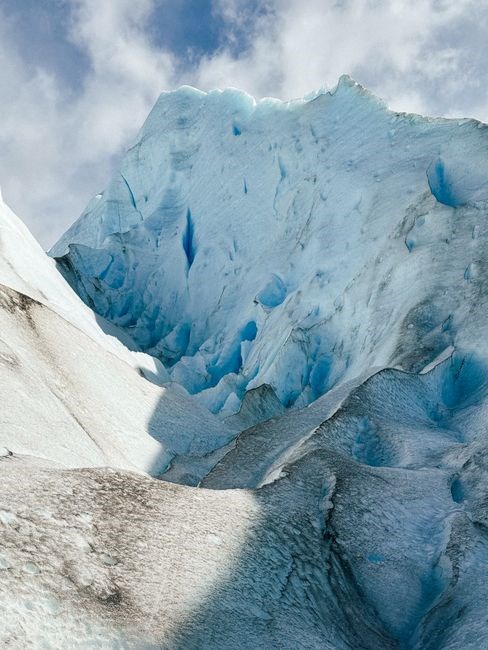
Top guides include Glacier Adventures, New Zealand Glacier Tours, and Alpine Guides. Book early, especially in peak season. Use official websites or trusted travel agencies. Confirm cancellation policies, gear requirements, and group size limits. Secure your spot with a deposit and receive a detailed itinerary. Reserve now for early access!!!??
Review of Top Rated Guides
Glacier Adventures stands out for its seasoned pilots and intimate helicopter drops that reveal the glacier’s dramatic crevasses. Their guides are certified mountaineers who weave local history into each descent, ensuring safety while keeping the experience vivid. The group size is limited to twelve, allowing personalized attention and quick response to weather changes.
New Zealand Glacier Tours offers a blend of helicopter and on‑ground exploration. Their staff are fluent in multiple languages, making the tour accessible to international guests. The company emphasizes environmental stewardship, using low‑emission aircraft and encouraging leave‑no‑trace practices. Their guided walks are led by former alpine rescue personnel, providing confidence for first‑time climbers.
Alpine Guides focuses on rigorous training and safety protocols. Their guides hold advanced ice‑climbing certifications and conduct pre‑tour briefings that cover crevasse rescue techniques. The company’s commitment to sustainability is evident in their use of solar charging stations for equipment and strict waste‑management policies. Their small‑group format (six to eight) fosters camaraderie and detailed instruction.
All three companies maintain high customer satisfaction scores, with reviews praising their professionalism, knowledge, and the unforgettable vistas they provide. Booking through their official sites guarantees access to real‑time availability and transparent pricing, while travel agencies can offer package discounts for extended stays.
Whether you’re a seasoned mountaineer or a curious traveler, these guides provide the expertise and equipment needed to safely explore the glacier’s icy wonders. Their commitment to safety and education ensures every visitor leaves lasting memories
How to Reserve Your Spot
Booking a guided adventure at Franz Josef Glacier NZ is straightforward, yet timing and preparation are key to securing a place on the sought‑after helicopter drop or on‑ground trek. The following steps outline the most reliable path from inquiry to confirmation.
- Choose the Experience; Decide whether you prefer a helicopter expedition, a guided walk, or a combined package. Each provider lists dates, durations, and group sizes on their websites.
- Check Availability. Glacier tours operate on a seasonal schedule that peaks in December–February. Use the online calendar to view open slots; most sites update in real time.
- Contact the Operator. Send an email or use the live‑chat feature on the company’s portal. Request confirmation of the date, group size, and any special requirements (e.g., medical conditions, equipment needs).
- Secure a Deposit. A non‑refundable deposit of 20–30% of the total price is required to hold your spot. Payment is typically accepted via credit card, PayPal, or bank transfer.
- Receive Confirmation. After payment, you will receive an itinerary, a pre‑tour briefing PDF, and a QR code for the helipad access badge.
- Prepare Essentials. Review the gear checklist provided by the guide. Essentials include layered clothing, waterproof boots, and a headlamp.
- Arrive Early. On the day of the tour, arrive at the designated meeting point at least 30 minutes before departure to complete safety checks and briefings.
- Enjoy the Adventure. Follow the guide’s instructions, stay within the group, and respect the glacier’s fragile environment.
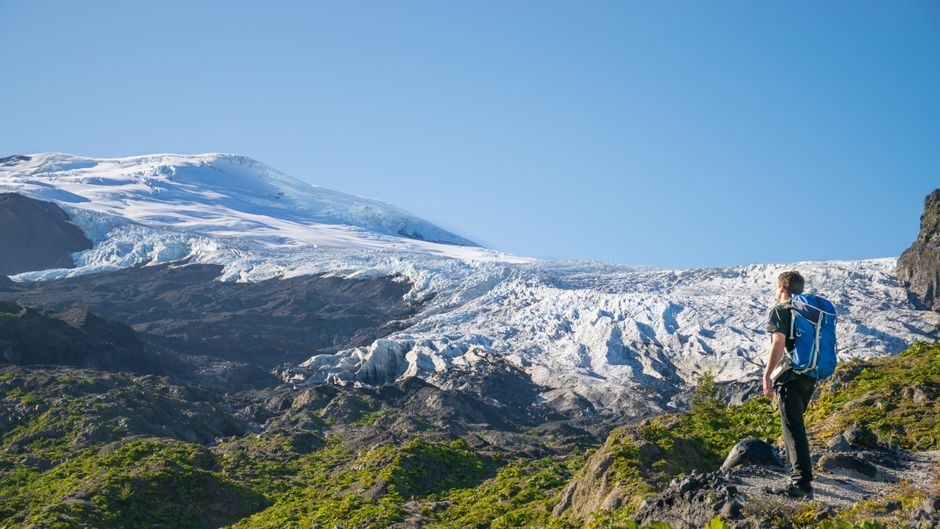
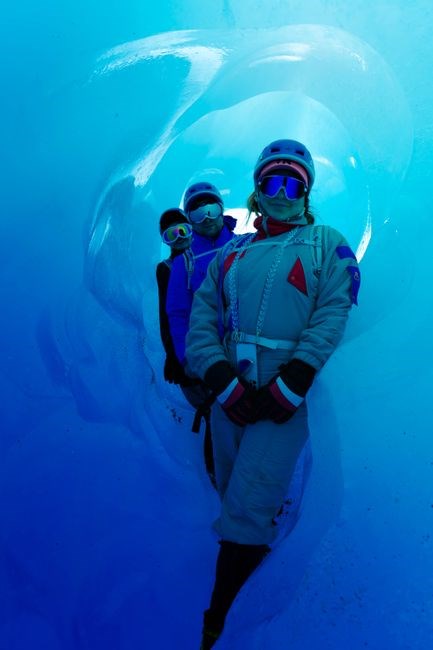
For last‑minute bookings, some operators offer a 24‑hour cancellation policy, but this is rare during peak season. It is advisable to book at least two weeks in advance to guarantee a spot, especially if you plan to travel during holidays or weekends. Always confirm the cancellation terms and refund policy before finalizing payment.
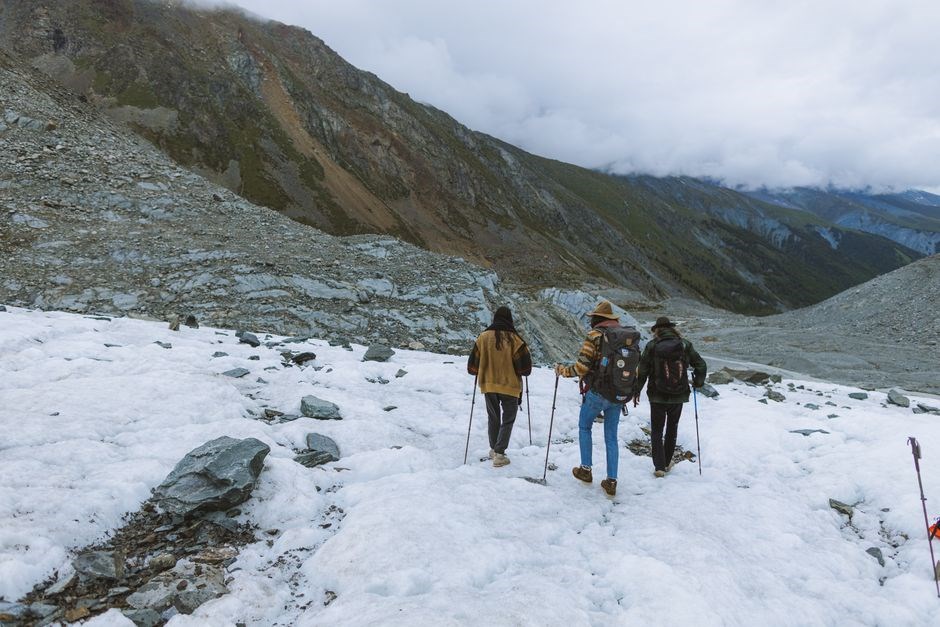
Some operators also accept phone reservations. Call the local office during business hours, and a guide will walk you through the process. For groups of ten or more, inquire about discounted rates and customized itineraries that can include additional activities such as a scenic drive or a visit to the nearby Fox Glacier.
It is wise to purchase travel insurance that covers adventure sports. Many insurers offer optional coverage for helicopter travel, which protects against sudden weather cancellations or equipment failure.
Finally, keep a copy of your confirmation email and itinerary in both digital and printed form. In case of connectivity issues at the helipad, a printed version ensures you have all necessary details.
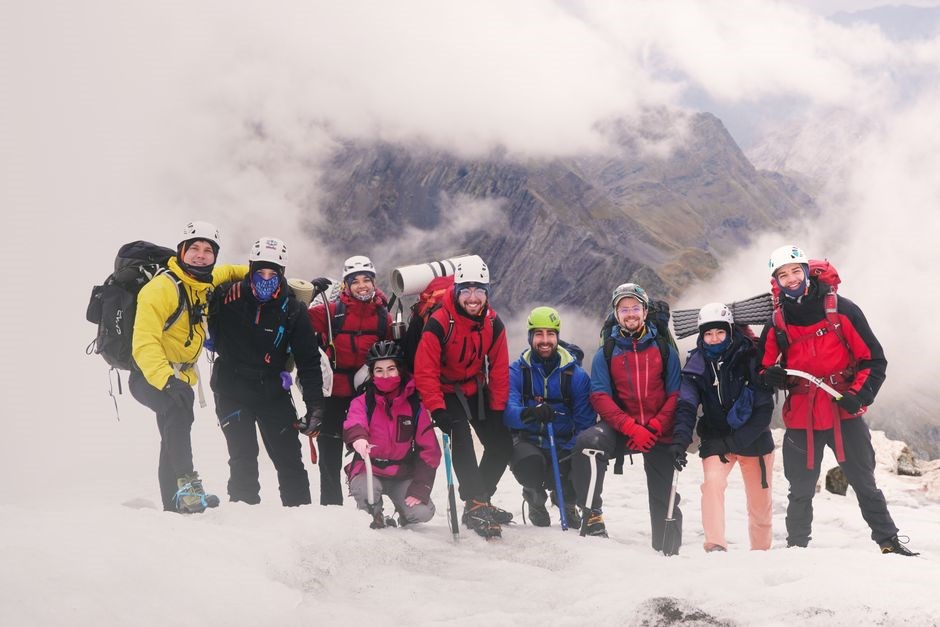
Practical Information for Visitors
Book flights to Queenstown or Hokitika, then a 1‑hour drive to Franz Josef. Stay in nearby lodges. Check weather; sudden snow may delay tours. Bring a valid ID for helicopter access and follow safety briefings. Respect the glacier by staying on marked paths. Pack a hat, gloves, and a thermos for warmth!!
Transportation to the Glacier Site
Reaching Franz Josef Glacier is a multi‑stage adventure that blends air, road, and local transit. The most dramatic approach is the helicopter drop from Queenstown or Hokitika, where the Southern Alps loom and the glacier’s ice spires rise like frozen cliffs. The helipad, a makeshift platform carved into the mountain’s side, offers an immediate, awe‑inspiring view before the descent begins. For those preferring a more grounded route, a 1‑hour drive from Queenstown or a 2‑hour drive from Hokitika takes you through winding, forest‑lined roads that reveal the region’s rugged beauty. The drive is marked by a series of scenic look‑outs, and the final stretch to the glacier’s base is a narrow, gravel track that requires a 4WD or a vehicle with high clearance. Many visitors opt for a shuttle service that departs from Queenstown’s main bus terminal, with a scheduled pickup at the glacier’s visitor centre. These shuttles run hourly during peak season and are equipped with luggage racks, making it easy to bring hiking gear or a picnic. For those who enjoy the flexibility of self‑drive, car rentals are plentiful in Queenstown, with options ranging from compact cars to 4WDs. Rental agencies typically offer GPS navigation and the ability to reserve a vehicle in advance, which is highly recommended during the busy summer months. Public buses, such as the InterCity route, provide an economical alternative, but travelers should check the timetable carefully, as services may be limited on weekends. Once you arrive at the glacier’s visitor centre, a short walk leads to the helipad or the base of the glacier, where guided tours begin. The centre also offers rental equipment, including crampons and harnesses, and provides up‑to‑date weather briefings that are essential for safe glacier exploration. Whether you choose the thrill of a helicopter drop, the scenic drive, or the convenience of a shuttle, the journey to Franz Josef Glacier is an integral part of the experience, setting the stage for the breathtaking sights that await below the ice. The combination of aerial views, rugged roads, and local transit options ensures that every visitor can tailor the trip to their preferences, while still enjoying the unique charm of New Zealand’s Southern Alps. The transportation experience is not merely a means to an end; it is an essential chapter in the adventure, offering a blend of excitement, convenience, and immersion into the natural landscape that defines the Franz Josef Glacier region. This comprehensive approach to travel ensures that visitors arrive prepared, informed, and ready to engage with the glacier’s dynamic environment, making the entire expedition memorable from the very first step or landing.
Accommodation Options Nearby
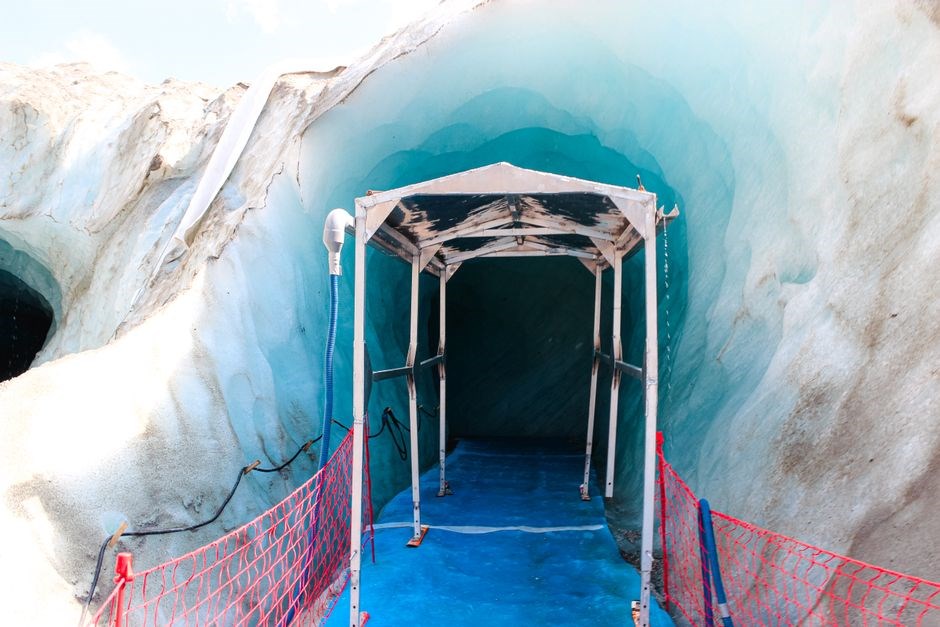
Franz Josef Glacier offers a range of lodging that suits every traveler’s taste and budget. At the valley’s centre, the Glacier View Lodge provides rustic rooms with panoramic windows framing the glacier’s icy peaks. The lodge’s on‑site restaurant serves hearty New Zealand fare, while the heated outdoor pool offers a relaxing end to a day of exploration. Nearby Fernhill Lodge offers a boutique setting with a handful of rooms, each featuring a private balcony overlooking the glacier. The in‑house chef crafts seasonal menus that highlight local produce, creating a culinary journey that complements the natural scenery. Budget‑conscious travelers will find comfort at the Franz Josef Backpackers, a hostel that blends affordability with community. The hostel’s dormitories and private rooms are equipped with shared kitchen facilities, and the on‑site bar hosts nightly trivia nights that bring guests together. For families or couples desiring a touch of luxury, the West Coast Wilderness Lodge offers spacious suites with private hot tubs, a spa, and a concierge service that can arrange guided hikes, helicopter tours, and wildlife spotting excursions. The lodge’s hillside location offers unobstructed glacier views. If you prefer a self‑contained stay, the Glacier Village Holiday Park offers cabins, powered sites, and a communal kitchen, allowing guests to cook their own meals while enjoying on‑site amenities. The park’s proximity to the visitor centre lets you start early with a sunrise view of the ice. Many accommodations feature guided tour packages that include early‑morning glacier walks, night‑sky stargazing, and optional helicopter transfers, making planning effortless for visitors. Local cafés serve fresh pastries and craft beers, turning every meal into a celebration of West Coast flavors and a touch of local charm. All accommodations are within a short drive or a scenic walk from the glacier’s base, ensuring that whether you arrive by car, shuttle, or helicopter, you can easily reach your lodging and begin your adventure with minimal hassle.

Safety, Weather, and Conservation Guidelines
Safety first: always wear proper gear, follow guide instructions, and stay on marked paths. Weather can shift rapidly; check forecasts, dress in layers, and carry waterproof gear. Respect the fragile ice: avoid touching, keep distance, and leave no trace to preserve the glacier’s integrity. carry a first aid kit and notify staff ofdailyhelp.
Weather Patterns and Best Visiting Times
Franz Josef Glacier sits in the Southern Alps, where weather is notoriously variable. The region experiences a temperate maritime climate with high precipitation, especially from November to March, when summer storms can bring sudden fog, rain, and wind. During the winter months (June–August), temperatures drop below freezing, and heavy snowfall can reduce visibility and make helicopter access difficult. The most stable weather typically occurs in late spring (April–May) and early autumn (September–October). In these windows, temperatures hover between 5 °C and 15 °C, daylight extends from 10 am to 6 pm, and cloud cover is usually minimal, providing clear views of the glacier’s ice formations. Helicopter operators schedule flights during the warmest part of the day, usually between 10 am and 2 pm, to avoid turbulence and ensure safe landing on the fragile ice helipad. For those preferring a more grounded experience, guided walks are best undertaken in the same periods, as the trail conditions are more predictable and the risk of avalanches is lower. Visitors should always check the latest weather forecast before booking, as sudden changes can affect both helicopter availability and trail safety. By planning around these patterns, you can maximize your chances of clear skies, optimal temperatures, and a memorable glacier adventure.
Safety Protocols and Environmental Responsibility
All tours at Franz Josef Glacier NZ begin with a mandatory safety briefing that covers glacier etiquette, crevasse awareness, and emergency response procedures. Guides are certified by the New Zealand Mountain Rescue Association and undergo annual recertification to stay current with best practices. Participants receive a personal safety kit, including a helmet, harness, and a thermal vest, and are instructed on proper use before any activity.
Environmental stewardship is woven into every itinerary. Guides enforce the “Leave No Trace” principle, ensuring that all waste is collected and removed from the glacier. Trail routes are chosen to minimize footfall on fragile ice, and climbers are required to stay on marked paths to protect the natural structure. The use of non‑motorised transport for short distances preserves the pristine soundscape and reduces carbon emissions.
Helicopter operations follow strict environmental guidelines: flight paths are planned to avoid sensitive wildlife habitats, and rotor noise is monitored to stay within acceptable limits. Operators use low‑emission engines and adhere to New Zealand’s aviation environmental standards. By combining rigorous safety measures with proactive conservation efforts, Franz Josef Glacier NZ offers an experience that respects both the visitor and the fragile alpine ecosystem.
Safety and environmental education is integrated into every tour. Guides explain the glacier’s ecosystem, the impact of climate change, and the importance of travel. Participants learn to identify signs of, respect wildlife, and follow the Leave No Trace ethos, ensuring the glacier very remains pristine for future generations.